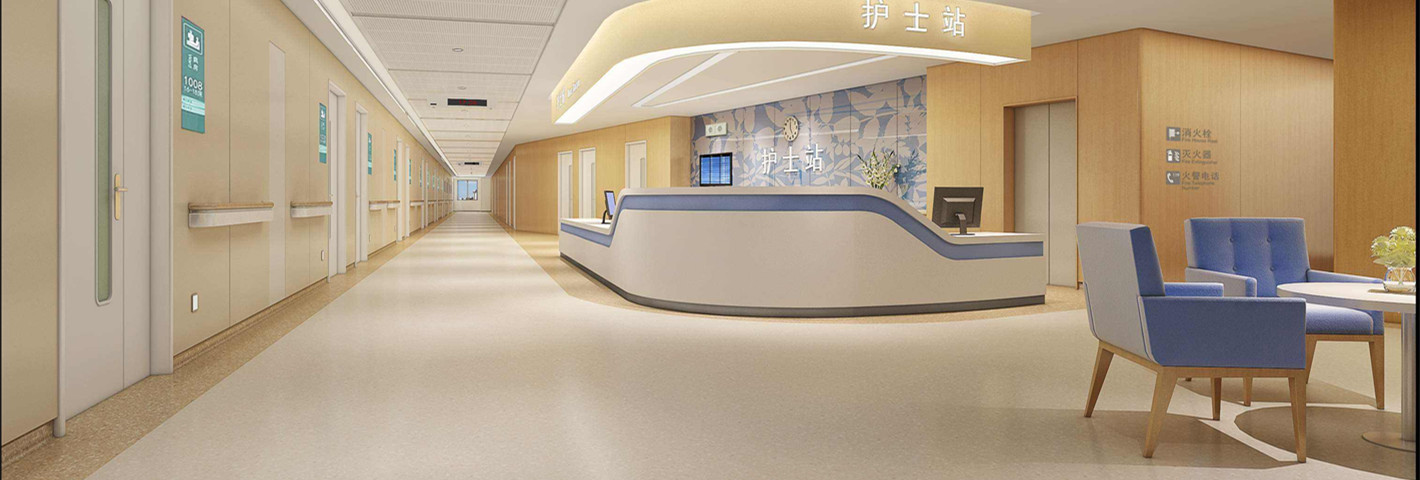
Did you know? PVC flooring is one of the most popular lightweight flooring materials used in homes, offices, and commercial spaces today. It’s durable, waterproof, easy to maintain, and comes in a wide variety of colors and textures that mimic wood, stone, and tile.
However, while PVC flooring offers many advantages, buying the wrong type or neglecting key details during installation can lead to problems later on — such as warping, poor adhesion, or shortened lifespan.
To help you make the right choice, here are ten important mistakes to avoid when buying PVC flooring rolls.

1. Ignoring the Purpose and Environment
Not all PVC flooring is created equal. There are different types designed for residential, commercial, and industrial applications.
For example:
Residential PVC flooring focuses on comfort and style.
Commercial flooring emphasizes durability and wear resistance.
Industrial flooring needs to withstand heavy machinery and chemical exposure.
Tip: Before purchasing, clearly define the usage area and environmental conditions — such as humidity, traffic level, and temperature — to ensure the flooring can meet the demands of that space.
2. Skipping Subfloor Preparation
PVC flooring can be installed over many kinds of subfloors, including concrete, wood, and existing tiles. But if the subfloor is uneven, damp, or dirty, it will affect adhesion and cause the flooring to bubble or peel over time.
Tip: Always prepare the subfloor before installation. Fill any cracks or holes, level the surface, and make sure it’s smooth, dry, and clean for a flawless result.
3. Choosing the Wrong Flooring Thickness
The thickness of PVC flooring affects both its comfort and durability. Thinner flooring may be cheaper but is more prone to wear and tear in high-traffic areas.
Here’s a quick guide:
1.6mm–2mm: Suitable for light residential use.
2mm–3mm: Ideal for commercial environments.
>3mm: Best for industrial or high-traffic areas.
Tip: Choose the right thickness based on your intended application — thicker isn’t always better, but it should match the floor’s usage needs.
4. Forgetting to Leave Expansion Gaps
PVC flooring expands and contracts slightly with temperature changes. Failing to leave a small expansion gap (around 5–10mm) between the flooring and walls can cause buckling or lifting.
Tip: Always leave expansion gaps during installation, especially in rooms exposed to sunlight or temperature fluctuations.
5. Buying Low-Quality PVC Flooring
Low-quality PVC flooring may seem like a bargain, but it can emit harmful formaldehyde, distort easily, or fade quickly. In the long run, poor-quality flooring increases maintenance costs and may even harm indoor air quality.
Tip: Always choose certified, eco-friendly PVC flooring with verified test reports. Look for flooring that meets international safety standards like ISO, SGS, or CE certification.
6. Neglecting Proper Cleaning and Maintenance
While PVC flooring is water-resistant and easy to clean, using too much water or harsh cleaning agents can damage its surface or cause adhesive failure.
Tip: Clean with a damp mop and mild detergent. Avoid soaking the floor or using strong chemicals. Regular maintenance will keep your PVC flooring looking new for years.
7. Overlooking Temperature Adaptability
PVC flooring performs best in temperatures between -15°C and 60°C. Extreme heat can cause expansion or discoloration, while freezing temperatures may make it brittle.
Tip: Avoid installing PVC flooring in areas exposed to direct sunlight, open flames, or extreme cold, such as outdoor patios or unheated garages.
8. Using the Wrong Installation Method
There are multiple installation methods for PVC flooring, including:
Glue-down (for permanent installations)
Click-lock or interlocking (for DIY-friendly setups)
Loose lay or self-adhesive (for temporary or flexible flooring)
Tip: Choose the installation method based on the room’s usage and moisture level. For example, bathrooms or kitchens typically need glue-down flooring for a watertight seal.
9. Mishandling Transportation and Storage
Improper handling before installation can cause permanent damage. Exposing PVC flooring rolls to heavy pressure, heat, or sunlight may lead to warping, fading, or cracking.
Tip: Store flooring horizontally in a cool, dry, shaded area. During transportation, avoid placing heavy objects on top and keep the rolls protected from direct sunlight.
10. Ignoring Installation Steps and Precautions
Even the best PVC flooring can fail if not installed correctly. Skipping essential steps such as corner trimming, threshold sealing, or seam welding can lead to visible gaps or peeling edges.
Tip: Always follow the manufacturer’s installation guide. If unsure, hire a professional installer to ensure the flooring is properly laid and finished.
Bonus Tip: Buy from Reputable Sources
When purchasing PVC flooring, buy only from reputable suppliers or official distributors. Check product labels, request test reports, and confirm that the flooring meets environmental and safety standards.
This not only ensures better performance but also protects you from counterfeit or substandard products.
Conclusion
PVC flooring is an excellent choice for those seeking a durable, stylish, and cost-effective flooring solution. But to get the best results, you must avoid common mistakes during selection, storage, and installation.
By understanding the environmental requirements, choosing the right product specifications, and ensuring proper installation and care, you’ll enjoy a beautiful, long-lasting floor that enhances both comfort and design in your space.
So, the next time you shop for PVC flooring rolls, keep these ten tips in mind — and make a confident, informed choice that truly pays off in the long run.