Views: 0 Author: Site Editor Publish Time: 2026-04-07 Origin: Site
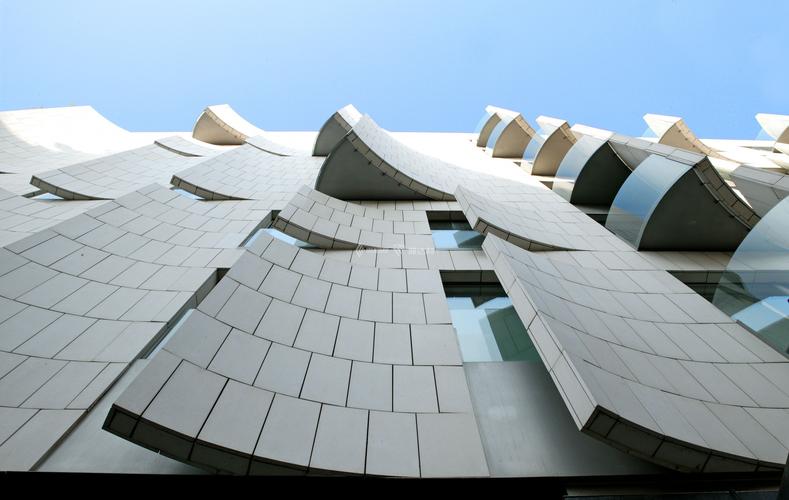
Aluminum composite panel (ACP) is a new type of building decoration material. It features light weight, high rigidity, flat surface, rich and bright colors, and easy installation. It is widely used in curtain walls, interior and exterior decoration, outdoor signs and billboards, making it an important material that reflects modern architectural and decorative styles.
ACP is a sandwich-structured panel composed of two aluminum skins bonded to a plastic core layer using high-performance adhesive under specific processing conditions. In actual production, the front and back aluminum sheets are first coated with decorative and protective coatings.
From the perspective of material structure, the service life of ACP is determined by raw material selection and production technology. Key factors include the application of PVDF coating, selection of LDPE core material, aluminum alloy grade, chemical conversion treatment of aluminum sheets, temperature control during baking, and matching of composite pressure and temperature.
This article analyzes the differences between curtain wall ACP and outdoor signage ACP from the perspectives of material composition and process control.
1. Application of Fluorocarbon Resin
Fluorocarbon (PVDF) coating offers outstanding weather resistance, durability, corrosion resistance and anti-fouling performance, making it widely used in exterior building curtain walls.
For curtain wall ACP, the polyvinylidene fluoride (PVDF) resin content in the coating must be ≥70% to ensure long-term appearance and performance.
Low-fluorine or low-cost coatings may look similar to high-grade PVDF coatings such as HYLAR 5000 or KYNAR 5000 in the short term, but their weatherability is far inferior. Over time, fading, chalking and loss of performance will occur, greatly shortening the service life of exterior cladding.
Therefore, reputable coating suppliers such as PPG (USA) and Beckers (Sweden) are strongly recommended for stable quality and technical support.
Coating application process is equally critical. Fluorocarbon coatings require high-temperature baking to achieve full performance. Insufficient curing temperature will severely reduce performance, sometimes even below that of polyester coatings.
Some manufacturers use low-grade 1××× series aluminum and lower baking temperatures to avoid deformation, which seriously compromises coating performance.
High-quality PVDF coating can withstand more than 5,000 solvent rubs with T-bend ≤ 2T.
Poor-quality PVDF panels may only reach about 1,000 rubs or even fewer than 500, similar to standard polyester. They cannot pass 4,000-hour weathering tests or meet acid/alkali resistance requirements.
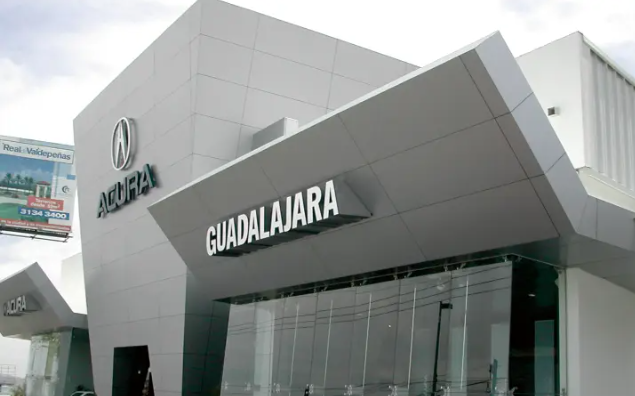
By contrast, signage ACP does not require high weather resistance. Polyester coatings or general-purpose coatings are commonly used, with performance far below fluorocarbon standards.
2. Differences in PE Core Material
Most ACP uses LDPE (low-density polyethylene) as the core material. Its mechanical properties, aging resistance, toughness and bending behavior directly affect overall panel performance, especially for curtain wall applications.
Curtain wall ACP requires excellent processability for folding, bending and grooving. Therefore, LDPE resin must be stable, with moderate melt flow index (MFI) and high elongation at break.
MFI for general ACP: 0.4–2.0 g/10min
MFI for curtain wall ACP: 0.4–0.8 g/10min
Elongation at break: >400%
Proper LDPE ensures high flatness, strength and allows larger panel formats. Excessively high MFI leads to poor formability, low rigidity and limited panel size.
During high-temperature compounding, over-softened core material reduces bonding pressure and peel strength if temperature is lowered to maintain flatness—a common and risky tradeoff.
Curtain wall ACP operates in temperatures ranging from -30°C to over 60°C. Low peel strength or low softening point creates serious quality risks such as delamination and warping.
Many manufacturers use recycled PE resin, which has degraded molecular structure, unstable MFI and elongation at break of only ~100%. Panels made from such material have poor flatness, surface pits and low toughness.
Recycled material is only acceptable for signage ACP, not for structural curtain wall panels.
High-grade recycled PE may be blended with virgin resin for curtain wall panels only if performance is not compromised.
Recommended LDPE properties for curtain wall ACP:
Density: 0.925–0.945 g/cm³
MFI: 0.4–0.8 g/10min
Elongation at break: >400%
3. Selection of Aluminum Alloy
Aluminum alloy is the main structural substrate of ACP. Its grade, thickness and mechanical properties directly determine strength, wind resistance and durability.
National standards clearly require that curtain wall ACP uses aluminum sheets not less than 0.5 mm thick, made of 3000 series or 5000 series anti-corrosion alloys conforming to GB/T 3880.
1100 pure aluminum is not suitable for curtain wall applications.
Curtain wall panels are subjected to wind load, shear force from fasteners and fatigue stress at bending points. Shear strength and fatigue strength are critical.
1100 H18 pure aluminum has lower shear and fatigue strength compared to 3003 and 5005 alloys.
表格
Alloy
Temper
Tensile Strength (MPa)
Yield Strength (MPa)
Shear Strength (MPa)
Fatigue Strength (MPa)
1100
H18
172
160
90
60
3003
H16
190
188
105
69
5005
—
201
190
113
71
5005 alloy also offers excellent salt-spray corrosion resistance for coastal projects.
During high-temperature coating curing, 1100 pure aluminum deforms more easily and has lower formability than 3003 or 5005. Manufacturers using 1100 often lower baking temperatures to maintain flatness, further sacrificing coating performance.
4. Importance of Back Sheet Treatment
Most manufacturers focus on front panel appearance but neglect back sheet protection.
Merely removing rolling oil is insufficient for corrosion resistance.
High-grade ACP, especially curtain wall panels, should have the back aluminum sheet coated with protective paint to enhance durability and prevent long-term corrosion.
5. Selection of Surface Protective Film
Protective film prevents scratches during handling, storage, transportation, processing and installation.
For curtain wall ACP, UV-resistant black-and-white film is required to avoid adhesive transfer under sunlight.
Low-quality black-and-white film may still transmit UV light, causing color difference or premature aging, making it difficult to peel off without residue.
Curtain wall ACP should use rubber-based protective film rather than solvent-based film for better weatherability and clean removal.
6. Caution with So-Called “New Products”
While innovative ACP products have emerged, many are launched prematurely for commercial benefits without sufficient long-term testing.
Testing shows that many Grade A fireproof ACP, nano anti-fouling panels and low-fluorine coatings fail to meet national standards or compromise key properties such as peel strength and density.
Adding large amounts of inorganic fillers may reduce recyclability and environmental value.
Nano anti-fouling coatings on the market often lose effectiveness within months. Only a few developed products meet genuine performance requirements.
For key curtain wall projects, mature, time-tested products are strongly recommended.
For short-term signage and decorative applications with low durability requirements, some new products may be considered.
Conclusion
Curtain wall ACP and signage ACP differ significantly in raw material selection, process control, performance standards and application requirements.
Curtain wall panels require high overall performance, scientific material matching and strict process control to ensure wind resistance, weatherability and long service life.
Signage panels have lower performance requirements and shorter design life, focusing mainly on basic functionality and cost efficiency.
It is strongly recommended that users select appropriate aluminum composite panels based on actual project requirements.

 English
 العربية
 Français
 Русский
 Español
 Português
 Deutsch
 italiano
 日本語
日本語 한국어
한국어 Nederlands
 Tiếng Việt
 ไทย
ไทย Polski
 Türkçe
 አማርኛ
አማርኛ Bahasa Melayu
 தமிழ்
தமிழ் Filipino
 Bahasa Indonesia
 magyar
 Română
 Монгол
 қазақ
қазақ Српски
 हिन्दी
 فارسی
فارسی Kiswahili
 Slovenčina
 Slovenščina
 Svenska
 українська
 Ελληνικά
 Suomi
Suomi Հայերեն
 עברית
עברית اردو
اردو Shqip
Shqip বাংলা
বাংলা Hrvatski
 Afrikaans
 Māori
Māori සිංහල
සිංහල Oʻzbekcha
 latviešu
 Беларуская мова
 Bosanski
 Български
 ქართული
 Lietuvių
 Malti
Malti