You are here:Home / Blog / Double-Sided HPL Aluminum Honeycomb Composite Panels: A Breakthrough in Modern Architectural Materials
Double-Sided HPL Aluminum Honeycomb Composite Panels: A Breakthrough in Modern Architectural Materials
Views: 0 Author: Site Editor Publish Time: 2026-04-23 Origin: Site
Introduction: Redefining Performance with Advanced Composite Panels
In contemporary architecture and interior design, materials must meet increasingly complex demands—lightweight structure, high strength, fire resistance, and visual sophistication. Double-sided HPL aluminum honeycomb composite panels represent a next-generation solution that seamlessly blends engineering innovation with aesthetic versatility.
By combining high-pressure laminate (HPL) surfaces with an aluminum honeycomb core, this advanced panel system delivers exceptional durability while maintaining a remarkably low weight. The result is a high-performance material widely used in commercial buildings, hospitals, transportation hubs, and high-end interior spaces.
What Are Double-Sided HPL Aluminum Honeycomb Panels?
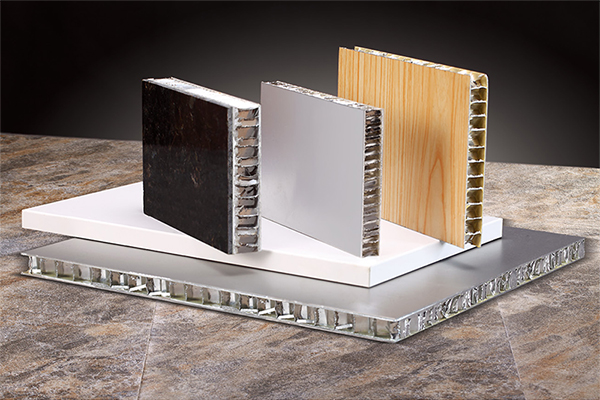
Double-sided HPL aluminum honeycomb composite panels consist of three primary layers:
This symmetrical “sandwich structure” ensures balanced stress distribution, preventing warping or deformation over time. The aluminum honeycomb core provides outstanding rigidity while significantly reducing overall weight compared to traditional solid panels.
Key Advantages of HPL Aluminum Honeycomb Composite Panels
1. Lightweight Yet Ultra-Strong Structure
The aluminum honeycomb core mimics natural hexagonal geometry, delivering superior load-bearing capacity with minimal material usage. Compared to solid boards, these panels can reduce weight by up to 60–70% while maintaining structural integrity.
2. Exceptional Fire Resistance
HPL surfaces combined with aluminum cores offer excellent fire performance, often meeting international standards such as B1 or even A2 ratings. This makes them suitable for high-safety environments like airports, hospitals, and public buildings.
3. Superior Impact and Scratch Resistance
The HPL surface is engineered to withstand daily wear, scratches, and impacts. It resists dents and maintains its appearance even in high-traffic areas such as corridors and transportation terminals.
4. Moisture and Corrosion Resistance
Unlike wood-based panels, these composites are non-absorbent and resistant to humidity, making them ideal for kitchens, bathrooms, laboratories, and coastal environments.
5. Excellent Flatness and Dimensional Stability
The double-sided design balances internal stresses, ensuring long-term flatness. This eliminates common issues such as bending, twisting, or expansion due to temperature fluctuations.
6. Easy Installation and Fabrication
Despite their strength, these panels are easy to cut, drill, and install. Their lightweight nature reduces labor costs and speeds up construction timelines.
7. Rich Aesthetic Options
HPL surfaces are available in a wide range of finishes, including:
Woodgrain textures
Stone and marble effects
Solid colors and matte finishes
Anti-fingerprint and soft-touch surfaces
This versatility allows architects to achieve both functional and decorative goals with a single material.
Applications Across Industries
1. Architectural Wall Cladding
Double-sided HPL honeycomb panels are widely used for interior and exterior wall cladding. Their lightweight structure reduces load on building frameworks while delivering a sleek, modern appearance.
2. Healthcare and Laboratory Environments
In hospitals and laboratories, hygiene and durability are essential. The non-porous HPL surface resists bacteria, chemicals, and frequent cleaning, making it ideal for sterile environments.
3. Transportation Infrastructure
Airports, subway stations, and high-speed rail systems benefit from these panels due to their fire resistance, impact durability, and weight-saving advantages.
4. Furniture and Interior Design
From cabinets to partitions and custom furniture, these panels provide a premium finish combined with structural strength. Designers favor them for high-end commercial interiors.
5. Industrial and Cleanroom Applications
The panels’ resistance to chemicals and moisture makes them suitable for factories, cleanrooms, and technical environments where reliability is critical.
Comparison with Traditional Materials
Feature
HPL Honeycomb Panels
Solid HPL Panels
Aluminum Composite Panels (ACP)
Weight
Very Lightweight
Heavy
Lightweight
Strength
High
Moderate
Moderate
Fire Resistance
Excellent
Good
Limited (varies by core)
Flatness
ممتاز
May warp
Good
Cost Efficiency
High (long-term)
Medium
Medium
This comparison highlights why HPL aluminum honeycomb panels are increasingly preferred for demanding applications.
Sustainability and Environmental Benefits
Modern construction emphasizes sustainability, and these composite panels align with green building standards.
Material Efficiency: Honeycomb core uses less raw material while maximizing strength
Recyclability: Aluminum components are fully recyclable
Long Lifespan: Reduces replacement frequency and waste
These features contribute to LEED and other green certification systems.
Installation Tips and Best Practices
To maximize performance and longevity, follow these guidelines:
Ensure proper substructure alignment for even load distribution
Use compatible adhesives or mechanical fixing systems
Allow for thermal expansion in large installations
Choose panels with certified fire and environmental ratings
Professional installation ensures optimal results, especially in large-scale projects.
Future Trends in Composite Panel Technology
The evolution of HPL aluminum honeycomb panels continues with innovations such as:
Antibacterial and antiviral surfaces
Smart coatings with self-cleaning properties
Enhanced fireproof cores for stricter regulations
Ultra-thin yet stronger panel designs
As architectural demands grow, these panels are expected to play an even more significant role in modern construction.
Conclusion: Where Engineering Meets Design Excellence
Double-sided HPL aluminum honeycomb composite panels represent a perfect fusion of technology and art. They deliver unmatched strength, lightweight performance, and aesthetic flexibility—making them an ideal choice for architects, designers, and engineers seeking high-performance materials.
Whether used in hospitals, transportation hubs, or luxury interiors, these panels provide a durable, safe, and visually striking solution that meets the demands of modern construction.