Introduction
The world of construction and architecture is ever-evolving, with new materials being introduced to offer improved durability, aesthetics, and sustainability. One such material that has been gaining popularity in recent years is soft porcelain. Soft porcelain offers a blend of strength, flexibility, and aesthetic appeal, making it an ideal material for building exterior wall decoration. In this article, we will explore the applications of soft porcelain in exterior wall decoration, its unique properties, and the benefits it brings to modern construction.
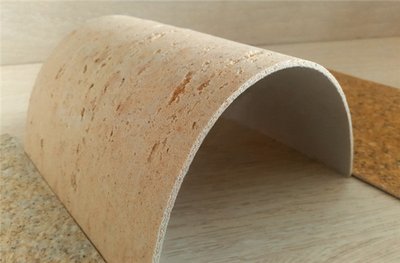
What is Soft Porcelain?
Soft porcelain is a type of ceramic material that combines the visual appeal of natural stone with enhanced flexibility and ease of installation. Unlike traditional hard porcelain, soft porcelain is thinner, lighter, and more adaptable, allowing it to be used in various applications, particularly in exterior wall decoration. It offers the aesthetics of natural materials like stone, wood, or marble, while being more cost-effective and easier to work with.
Advantages of Using Soft Porcelain in Exterior Wall Decoration
1. Aesthetic Appeal
Soft porcelain offers a wide range of design possibilities, with textures and patterns that can mimic natural stone, wood, or even metallic finishes. This versatility makes it an excellent choice for creating visually striking facades that stand out while blending seamlessly with the surrounding architecture.
2. Durability
While it is called “soft” porcelain, this material is highly durable and resistant to external factors such as UV rays, moisture, and temperature fluctuations. This makes it ideal for exterior wall applications, where long-term durability is essential.
3. Flexibility and Lightweight
One of the key benefits of soft porcelain is its flexibility and lightweight nature. It is easier to cut, shape, and install compared to traditional porcelain or stone. This makes it a favorite material for architects and builders who need to work on complex designs or installations.
4. Low Maintenance
Soft porcelain is resistant to stains, mold, and mildew, which means it requires little maintenance compared to other exterior wall materials. This reduces the long-term costs associated with upkeep, making it an economical choice for homeowners and developers.
5. Eco-Friendly Option
Soft porcelain is often produced using sustainable methods and materials. Its long lifespan and minimal maintenance needs further reduce its environmental impact, making it a greener option for exterior wall decoration.
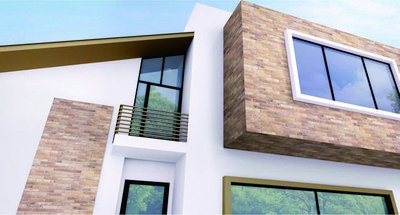
Applications of Soft Porcelain in Exterior Walls
1. Residential Buildings
In residential settings, soft porcelain can be used to create beautiful facades that enhance the overall aesthetic of the home. Its ability to mimic natural stone or wood offers homeowners a way to achieve a luxurious look without the high costs and maintenance that often come with natural materials.
2. Commercial Buildings
Commercial properties benefit greatly from the modern and sleek appearance of soft porcelain. Its durability and low maintenance make it an ideal choice for office buildings, retail spaces, and hotels, where aesthetic appeal and longevity are crucial.
3. Public Infrastructure
Public buildings such as libraries, museums, and government offices can use soft porcelain to create impressive and durable exterior walls that are resistant to the wear and tear of public use. Its lightweight nature also makes it easier to install on large structures without adding excessive weight to the building.
Design Possibilities with Soft Porcelain
1. Textured Surfaces
Soft porcelain can be used to create textured surfaces that add depth and dimension to exterior walls. These textures can range from smooth, sleek finishes to rough, natural stone-like surfaces, depending on the desired effect.
2. Patterned Designs
For architects looking to make a statement, soft porcelain can be used to create intricate patterned designs that bring a unique character to a building's exterior. Whether it's geometric patterns, mosaic designs, or custom artistic expressions, the material's versatility allows for endless creativity.
3. Integration with Other Materials
Soft porcelain works well with other materials like glass, metal, and wood. This makes it a perfect choice for mixed-material designs where various textures and colors come together to create a cohesive and modern exterior.
Installation of Soft Porcelain on Exterior Walls
1. Surface Preparation
Before installing soft porcelain, the surface of the wall must be properly prepared. This includes cleaning the surface, ensuring it is level, and applying any necessary primers or adhesives.
2. Installation Techniques
Soft porcelain is typically installed using specialized adhesives designed to ensure a secure bond between the material and the wall surface. Proper alignment and spacing are critical to achieving a clean and professional finish.
3. Grouting and Finishing
Once the soft porcelain is in place, the joints between tiles are filled with grout, which can be chosen to complement or contrast with the porcelain, depending on the design preferences. The final step involves cleaning and sealing the surface to protect it from external elements.
Maintenance and Care
One of the significant advantages of soft porcelain is its low maintenance requirements. Regular cleaning with mild soap and water is usually sufficient to keep the material looking fresh. In the event of minor damage, individual tiles can be replaced without having to redo entire sections of the wall.
Conclusion
Soft porcelain is quickly becoming a go-to material for building exterior wall decoration due to its combination of aesthetic appeal, durability, flexibility, and eco-friendliness. Whether it's for residential homes, commercial buildings, or public infrastructure, soft porcelain offers a versatile and modern solution that meets the needs of today’s architecture and design trends. As the construction industry continues to evolve, soft porcelain is likely to play a significant role in shaping the future of exterior wall decoration.

 English
 العربية
 Français
 Русский
 Español
 Português
 Deutsch
 italiano
 日本語
日本語 한국어
한국어 Nederlands
 Tiếng Việt
 ไทย
ไทย Polski
 Türkçe
 አማርኛ
አማርኛ Bahasa Melayu
 தமிழ்
தமிழ் Filipino
 Bahasa Indonesia
 magyar
 Română
 Монгол
 қазақ
қазақ Српски
 हिन्दी
 فارسی
فارسی Kiswahili
 Slovenčina
 Slovenščina
 Svenska
 українська
 Ελληνικά
 Suomi
Suomi Հայերեն
 עברית
עברית اردو
اردو Shqip
Shqip বাংলা
বাংলা Hrvatski
 Afrikaans
 Māori
Māori සිංහල
සිංහල Oʻzbekcha
 latviešu
 Беларуская мова
 Bosanski
 Български
 ქართული
 Lietuvių
 Malti
Malti


