The wooden door industry is constantly evolving, with new materials emerging that meet the growing demand for environmental protection, aesthetic appeal, and functional performance. Among these materials, CPL (Continuous Pressure Laminate) has garnered significant attention and is quickly becoming a game-changer in the industry.
In this comprehensive guide, we'll dive deep into the world of CPL materials, exploring what makes them unique, their advantages over traditional materials, and why they are poised to lead the future of the wooden door market.
What is CPL Material?
CPL, or Continuous Pressure Laminate, is a new-generation decorative material designed to offer both environmental friendliness and high-performance durability. Known also as thin fireproof board or continuous laminated fireproof board, CPL is specially engineered to mimic the appearance of natural wood grain without the need for surface painting.
Unlike conventional finishing materials, CPL provides outstanding scratch resistance, heat resistance, smoke resistance, and water resistance, all while reducing environmental impact.
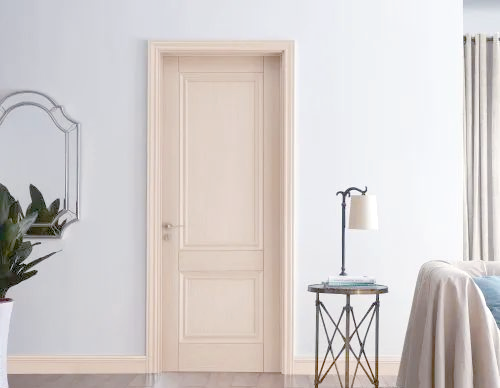
The Origin of CPL: Meaning Behind the Name
The term CPL stands for Continuous, Pressure, and Laminate, which succinctly describes its manufacturing process. This process involves:
Melamine decorative paper as the top layer.
Underlying layers of kraft paper, parchment, or non-woven fabric impregnated with resin adhesive.
Pressing these layers together in a double steel belt continuous press under precise control of pressure, temperature, and time.
The result? A highly durable, versatile laminate sheet that can be used in various applications, especially in the wooden door industry.
Types of CPL Materials: Classifications & Variants
CPL materials can be classified based on manufacturing process, structure, and particularly thickness. Each variant offers distinct performance features:
1. 0.15mm Super Soft Roll
2. 0.15mm Roll Material
3. 0.3mm Roll Material
Each of these types caters to different market demands, ensuring versatility across projects.
Unique Characteristics of CPL Materials
1. Bendability & Flexibility
Thanks to its even curing thermosetting resin, CPL achieves an exceptional bending radius of R=1mm. This makes it highly adaptable for molded applications, ensuring seamless finishes even on curved surfaces.
2. Extensibility
CPL materials can be produced in widths up to 1220mm with virtually unlimited length. This reduces material waste and simplifies applications in large-scale decorations.
3. Color & Pattern Diversity
Whether you prefer natural wood grains, stone textures, or modern minimalist designs, CPL offers a wide array of colors and textures to match any aesthetic preference.
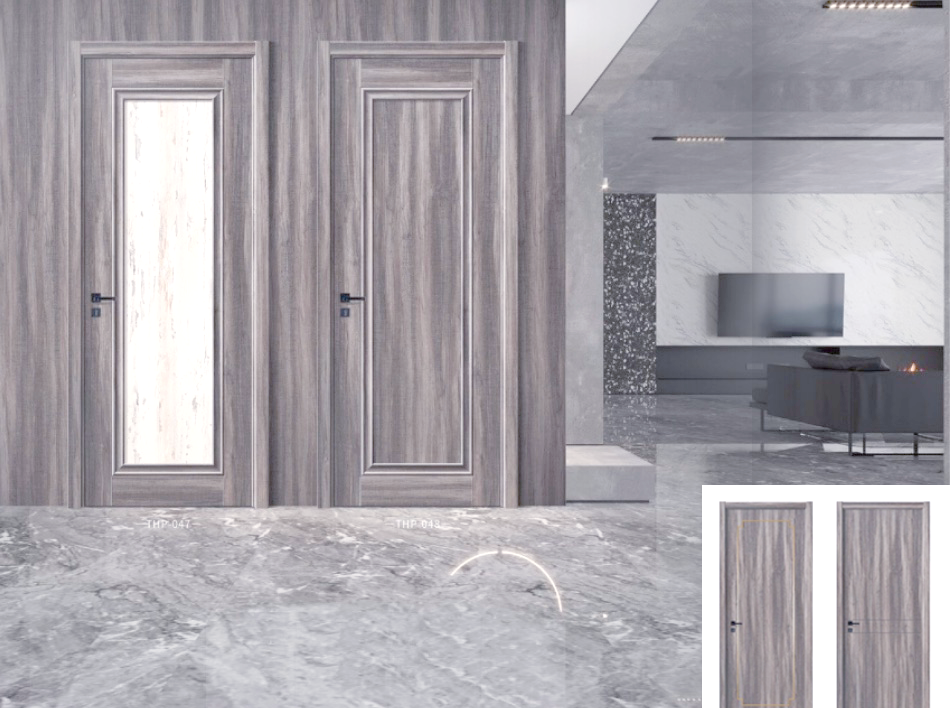
Outstanding Features of CPL Materials
Superior Environmental Performance
Unlike traditional painted surfaces, CPL eliminates the need for additional coatings, thus significantly reducing formaldehyde emissions. With a release level of just 0.5mg/L (well below the E1 standard of 1.5mg/L), CPL sets a new benchmark for eco-friendly decorative materials.
Excellent Fire Retardancy
Thanks to its high-density surface and wear-resistant properties, CPL boasts superior flame retardancy compared to common PT films. This makes it a safer option for residential and commercial interiors.
Rich Textural Options
CPL outperforms PP and PT films in terms of texture creation. Whether you're aiming for a rustic wood effect, elegant stone finish, or fabric-like textures, CPL can replicate these styles with high fidelity.
High Scratch Resistance
In tests applying a 1.5N pressure, CPL demonstrated outstanding scratch resistance, outperforming paint, PVC films, and polymer boards. This makes it especially suitable for high-traffic areas and family spaces where durability is paramount.
Easy Maintenance
The smooth surface of CPL not only enhances visual appeal but also ensures easy cleaning. Whether it's accidental spills or children's doodles, CPL surfaces are easy to wipe clean and maintain.
Same-Color Customization: A Unified Aesthetic
One of CPL's standout features is its ability to achieve same-color customization across multiple furniture pieces. From wardrobes and cabinets to wooden doors and wall panels, CPL ensures a harmonious and cohesive design with a “six sides same color” effect.
This ability not only enhances visual consistency but also replaces the need for painted finishes, offering a cleaner, healthier living environment.
Wide Applications of CPL Materials in the Wooden Door Industry
CPL materials are incredibly versatile and can be applied through both flat pasting and bending & wrapping techniques. Their applications include:
Wooden doors and door frames
Skirting boards and window frames
Decorative wall panels
Furniture surfaces (wardrobes, cabinets, shelves)
Interior decoration of high-speed rail and aircraft cabins
Additionally, CPL’s adaptability extends to surfaces like metal, ecological boards, and mineral materials, offering endless possibilities for designers and manufacturers.
Advantages Over Traditional Materials
| Feature | CPL Materials | Traditional Paint & Films |
| Environmental Protection | Formaldehyde emission ≤ 0.5mg/L | Higher emission, potential health risks |
| Flame Retardancy | Excellent | Limited (especially PT films) |
| Durability | High scratch & wear resistance | Susceptible to damage |
| Design Flexibility | Bends to R=1mm, infinite length | Limited flexibility |
| Texture Variety | Wood, stone, cloth, plain | More restricted options |
| Ease of Maintenance | Easy to clean | Paint prone to stains & scratches |
This comparison clearly shows why CPL is quickly becoming the preferred choice for forward-thinking designers and homeowners alike.
CPL Materials: Meeting the Demand for Personalization
In an era where customization and personal expression are highly valued, CPL stands out by providing a vast palette of design options. Whether it's creating a warm, natural vibe with wood grains or going for a sleek, modern look with stone textures, CPL enables homeowners to curate spaces that reflect their unique style.
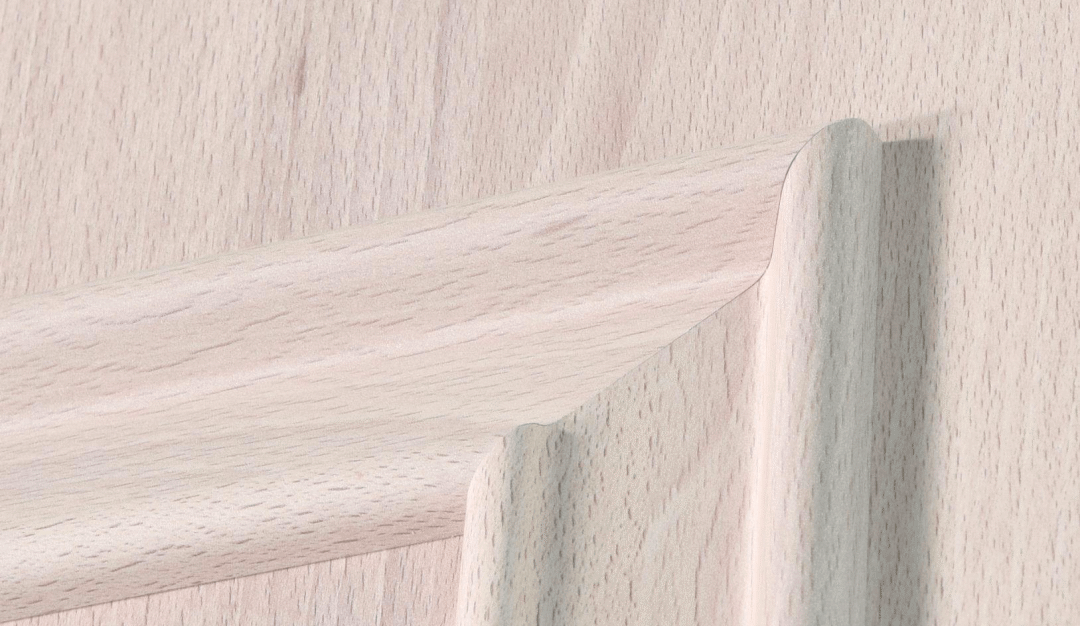
Conclusion: CPL is the Future of the Wooden Door Industry
CPL materials are more than just a passing trend — they represent the future of decorative materials in the wooden door industry. With their unparalleled combination of environmental benefits, functional performance, and design versatility, CPL is poised to become the go-to material for manufacturers and consumers seeking quality, aesthetics, and sustainability.
As the demand for eco-friendly, durable, and customizablematerials continues to rise, CPL materials are expected to lead this transformation, setting new standards for the industry and redefining modern interior design.

 English
 العربية
 Français
 Русский
 Español
 Português
 Deutsch
 italiano
 日本語
日本語 한국어
한국어 Nederlands
 Tiếng Việt
 ไทย
ไทย Polski
 Türkçe
 አማርኛ
አማርኛ Bahasa Melayu
 தமிழ்
தமிழ் Filipino
 Bahasa Indonesia
 magyar
 Română
 Монгол
 қазақ
қазақ Српски
 हिन्दी
 فارسی
فارسی Kiswahili
 Slovenčina
 Slovenščina
 Svenska
 українська
 Ελληνικά
 Suomi
Suomi Հայերեն
 עברית
עברית اردو
اردو Shqip
Shqip বাংলা
বাংলা Hrvatski
 Afrikaans
 Māori
Māori සිංහල
සිංහල Oʻzbekcha
 latviešu
 Беларуская мова
 Bosanski
 Български
 ქართული
 Lietuvių
 Malti
Malti


