What Is LVT Flooring and Why It’s Dominating the Market
Luxury Vinyl Tile (LVT) flooring is swiftly becoming a top-tier choice in the world of interior decoration. As a synthetic flooring material engineered for durability, design versatility, and cost-effectiveness, LVT seamlessly mimics the look and feel of premium natural surfaces—without the drawbacks. Through cutting-edge printing and embossing technologies, LVT tiles replicate wood, stone, ceramic, and even fabric textures with astonishing realism, making them the ultimate solution for designers and homeowners seeking both style and substance.
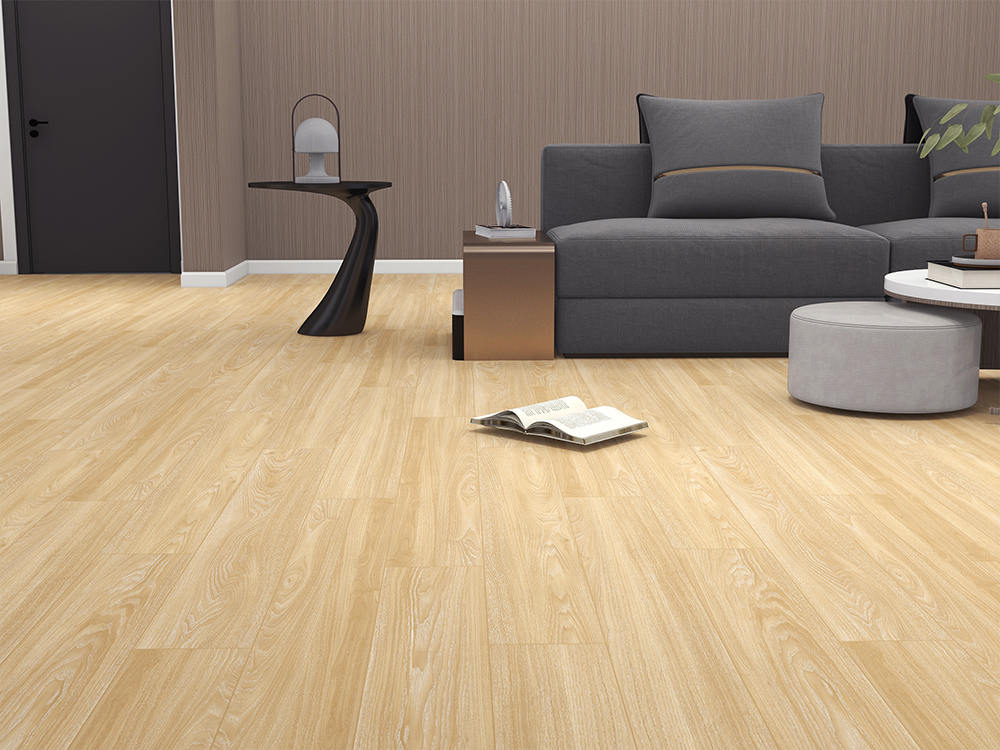
Stunning Aesthetic Appeal: Hyper-Realistic Visuals and Infinite Design Options
The aesthetic capabilities of LVT flooringhave reached unprecedented levels. High-resolution photographic layers capture intricate details of oak grain, travertine veining, or concrete textures. These visuals are further enhanced by a protective wear layer and embossing techniques that provide a true-to-touch finish.
Whether aiming for the rustic elegance of reclaimed wood, the cool sophistication of polished marble, or the minimalism of brushed cement, LVT flooring accommodates every design palette. Available in planks, tiles, or custom shapes, and compatible with patterns like herringbone, chevron, or basket weave, LVT empowers total creative freedom.
The Art of Detail: Texture, Color, and Finish Innovation
Modern LVT floors go beyond flat imagery. They incorporate deep-embossed textures that match the printed image, a technique known as Registered Embossing (EIR). This alignment between visual and tactile elements enhances realism, offering an immersive sensory experience underfoot.
Color development in LVT is also advancing rapidly. From soft neutral tones to bold industrial palettes, LVT allows refined color grading and multi-tone layering. Matte, satin, and high-gloss finishes add further personalization, giving each space a curated and bespoke feel.
Practical Performance: Resilience Meets Everyday Life
Unmatched Durability and Scratch Resistance
LVT flooring is designed to withstand heavy foot traffic, impact, and abrasion. Its multi-layered structure, typically including a UV-cured wear layer, ensures resistance to scratches, dents, and stains. This makes it ideal for high-traffic zones such as entryways, kitchens, and commercial environments.
Waterproof and Moisture Resistant
LVT’s water-resistant or fully waterproof variants make it suitable for humid and spill-prone environments. Kitchens, bathrooms, and laundry rooms benefit immensely from its imperviousness to moisture, which prevents warping, swelling, and microbial growth.
Simple Installation and Low Maintenance
LVT offers click-lock, loose lay, and glue-down installation methods, reducing labor time and allowing for floating floors where needed. Daily upkeep involves only sweeping or mopping with mild detergents. Its sealed surface prevents dirt accumulation and supports hygienic living environments.
Acoustic Comfort and Underfoot Warmth
Unlike ceramic tiles or natural stone, LVT floors are warmer to the touch and offer superior sound absorption. Many variants include an integrated acoustic underlayment, which reduces noise transmission—especially valuable in apartments, offices, or educational facilities.
Versatile Applications: From Homes to High-Traffic Commercial Spaces
Residential Use: Style Meets Comfort
In home environments, LVT is deployed across living rooms, bedrooms, kitchens, and even basements. Its stylistic flexibility complements both contemporary and traditional interiors. Families benefit from its resilience, safety, and comfort, especially in homes with children and pets.
Commercial and Public Use: Durability with Design
Hotels, boutiques, and corporate offices appreciate LVT’s ability to reflect brand identity through customized designs while enduring constant use. In educational institutions, hospitals, and municipal buildings, it meets both aesthetic and safety standards with slip resistance and ease of cleaning.
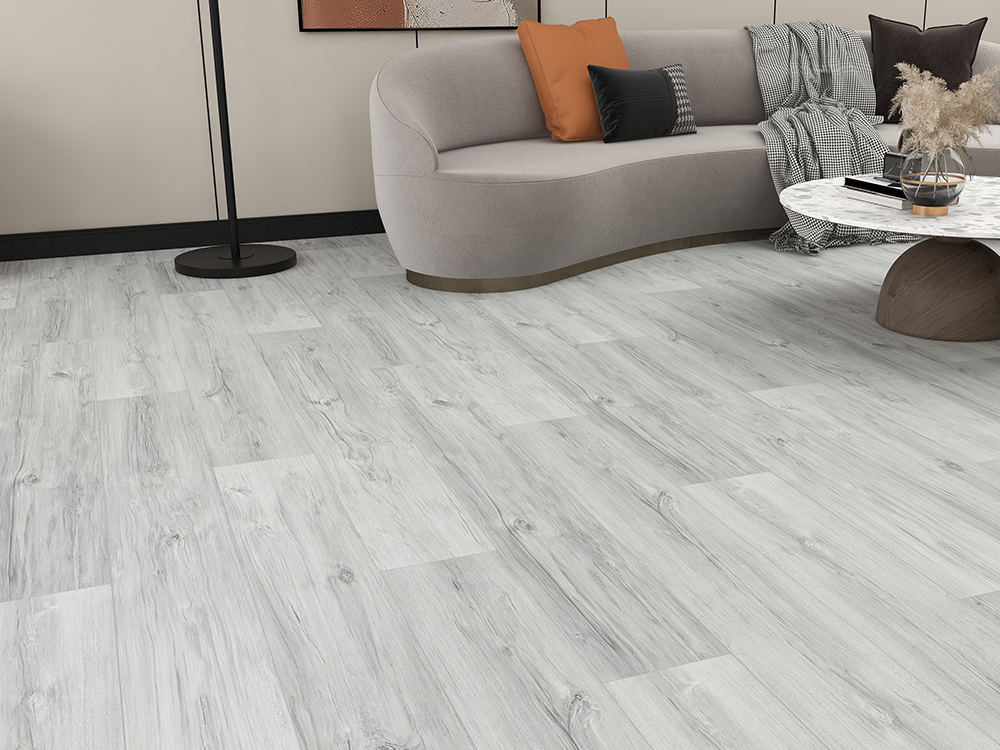
Environmental Considerations: The Green Side of LVT
LVT manufacturers are increasingly prioritizing sustainability. Many modern LVT products are phthalate-free, low-VOC certified, and 100% recyclable. Some brands integrate post-consumer recycled content in their backing layers. Certifications like FloorScore, GREENGUARD, and ISO 14001 are now standard across eco-conscious product lines.
Additionally, the longevity of LVT contributes to its sustainability. With a lifespan exceeding 20 years in many cases, the need for frequent replacement is minimized, reducing material waste and lifecycle costs.
Future Trends: Technology-Driven Evolution in LVT Flooring
Digital Customization and On-Demand Printing
Next-generation LVT is leveraging digital printing to allow unique, small-batch designs tailored to individual clients or project specifications. This opens doors for bespoke branding in commercial spaces or artistic floors in private homes.
Smart LVT: Integrated Sensors and Sustainable Materials
Emerging R&D is exploring smart LVT that incorporates pressure sensors for intelligent lighting systems or wayfinding in large facilities. Simultaneously, bio-based resins and biodegradable layers are on the horizon, aligning flooring with circular economy goals.
Why LVT Flooring Is the Future of Interior Design
As design preferences evolve toward minimalist, multifunctional, and wellness-oriented environments, LVT flooring answers every demand. It marries premium aesthetics with rugged functionality, offering a product that enhances both visual delight and daily practicality. With unmatched versatility, sustainability potential, and an ever-growing range of options, LVT is not just a trend—it’s a cornerstone of the future flooring landscape.

 English
 العربية
 Français
 Русский
 Español
 Português
 Deutsch
 italiano
 日本語
日本語 한국어
한국어 Nederlands
 Tiếng Việt
 ไทย
ไทย Polski
 Türkçe
 አማርኛ
አማርኛ Bahasa Melayu
 தமிழ்
தமிழ் Filipino
 Bahasa Indonesia
 magyar
 Română
 Монгол
 қазақ
қазақ Српски
 हिन्दी
 فارسی
فارسی Kiswahili
 Slovenčina
 Slovenščina
 Svenska
 українська
 Ελληνικά
 Suomi
Suomi Հայերեն
 עברית
עברית اردو
اردو Shqip
Shqip বাংলা
বাংলা Hrvatski
 Afrikaans
 Māori
Māori සිංහල
සිංහල Oʻzbekcha
 latviešu
 Беларуская мова
 Bosanski
 Български
 ქართული
 Lietuvių
 Malti
Malti


