
English
Views: 0 Author: Site Editor Publish Time: 2026-02-25 Origin: Site


With so many flooring options on the market today—solid wood, bamboo, tiles—it’s no surprise that PVC flooring has started gaining attention. I’ve seen more people consider it lately, especially for offices, rentals, and even some home spaces. It’s affordable, practical, and surprisingly durable—but it’s not perfect.
So if you’re wondering whether PVC flooring is worth it, here’s a more realistic, experience-based look at what you can expect.
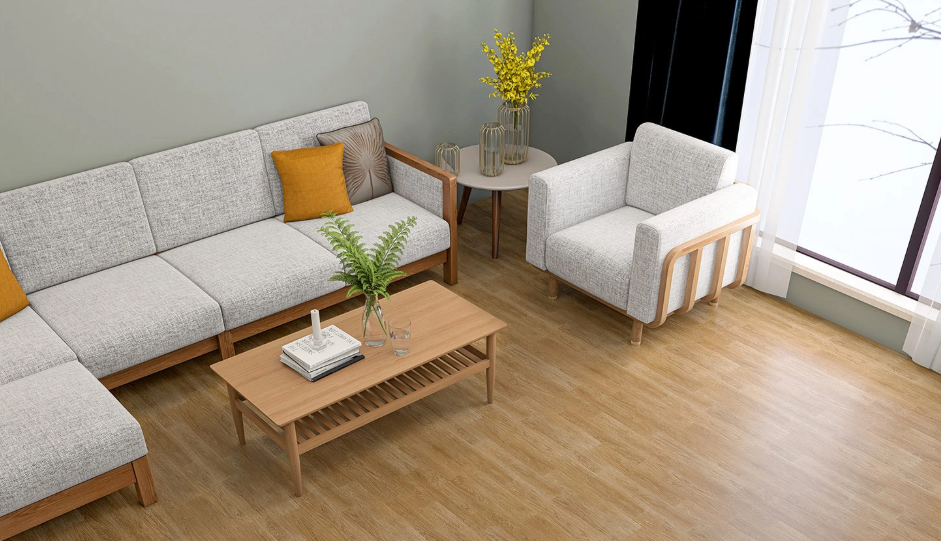
In most home settings, PVC flooring typically lasts around 7–8 years. If you take good care of it, you might stretch that to 10 years or slightly more.
But here’s the thing—lifespan isn’t fixed. It really depends on how you use it.
From what I’ve seen, a few habits make a big difference:
Keeping the surface clean and free of grit (dust and sand can wear it down faster than you think)
Cleaning spills as soon as they happen
Avoiding excess water when mopping (too much moisture over time can affect the adhesive or edges)
It’s not a high-maintenance material, but it does reward consistency.
PVC flooring is made from polyvinyl chloride, and most modern products meet safety standards with no radioactive elements. While it’s not completely “natural,” it’s generally considered a safe decorative material.
One of the first things you notice is how thin and lightweight it is—usually just 2–3mm thick.
That might sound like a drawback, but in reality, it’s a huge advantage for:
High-rise buildings (less structural load)
Renovation projects (no need to raise floor height too much)
Good-quality PVC flooring has a protective wear layer that can handle heavy foot traffic. In offices or commercial areas, this really shows over time.
It has a bit of flexibility and cushioning, which makes it more comfortable to walk on compared to harder materials.
In fact, in some high-traffic areas, PVC flooring has been shown to reduce slip-related injuries significantly. It also becomes more slip-resistant when wet, which is a big plus.
Most PVC flooring reaches a B1 fire rating, meaning it’s difficult to ignite and relatively safe in case of fire—just below non-combustible materials like stone.
Since PVC doesn’t absorb water, the flooring itself is naturally waterproof. It won’t swell or warp like wood.
That said, long-term water exposure (especially at seams) is still something to avoid.
Compared to traditional flooring, PVC does a great job at absorbing sound—which is why it’s often used in places like hospitals, schools, and offices.
Many PVC floors come with antibacterial surface treatments, making them ideal for healthcare or public environments.
Daily cleaning is simple—usually just a mop and mild cleaner.
PVC flooring can handle acid and alkali exposure, which is why it performs well in labs, hospitals, and industrial settings.
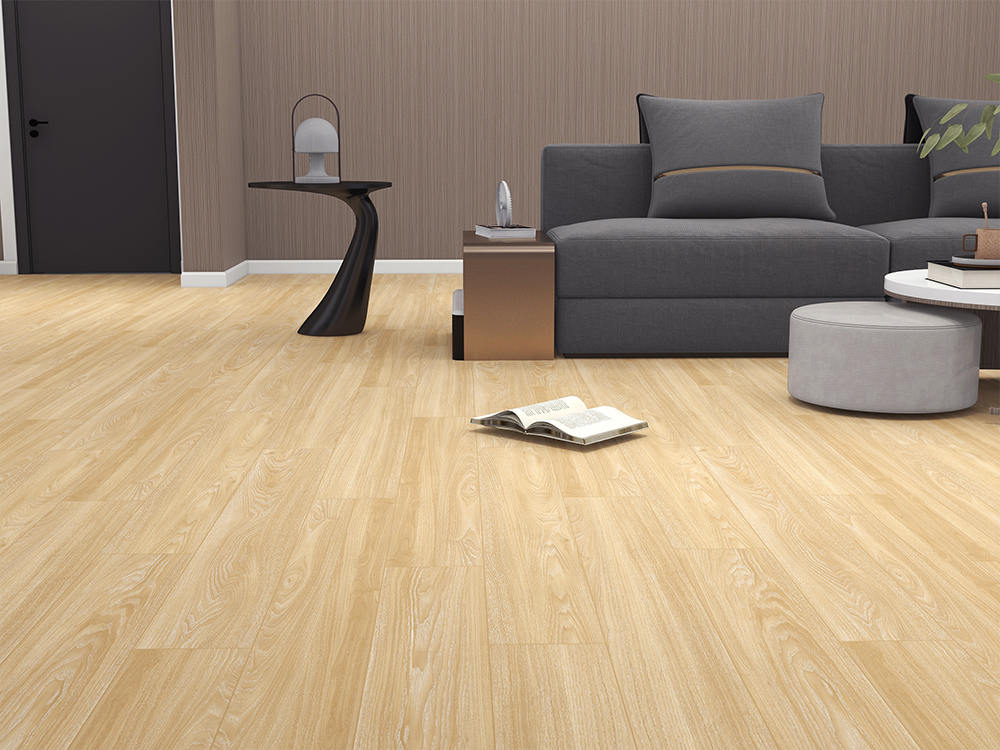
This is probably the biggest drawback.
PVC flooring requires:
A perfectly level subfloor
Often a self-leveling compound
Professional installation
If the base isn’t right, the final result won’t be either. Uneven floors can lead to visible imperfections or premature wear.
In many residential projects, especially where construction standards vary, achieving the required floor flatness can be difficult or expensive.
That’s one reason PVC flooring is still more common in commercial spaces like airports, hospitals, and schools than in private homes.
While 7–10 years is decent, it’s still shorter than materials like solid wood or stone, which can last decades.
So if you’re thinking long-term (15–20+ years), PVC may not be your final solution.
PVC flooring sits in an interesting middle ground.
It’s practical, affordable, and versatile, especially for spaces that need durability without a high budget. But it also comes with trade-offs—mainly in installation requirements and long-term lifespan.
If you’re working on:
A commercial project
A rental property
Or a budget-conscious renovation
PVC flooring can be a very smart choice.
But if your goal is a long-term, premium finish, it’s worth comparing it with other materials before deciding.
In the end, like most materials, it’s not about whether PVC flooring is “good” or “bad”—it’s about whether it fits your specific needs.


