LVT flooring (Luxury Vinyl Tile) has become one of the most popular flooring solutions in both residential and commercial interior design. Thanks to continuous improvements in materials and manufacturing technology, LVT flooring combines aesthetic appeal, durability, and practicality in one product.
However, like any building material, LVT flooring has its advantages and limitations. More importantly, the market is flooded with products of uneven quality, making it difficult for buyers to distinguish high-quality LVT flooring from inferior alternatives.
This comprehensive guide will walk you through the core pros and cons of LVT flooring, explain key quality indicators, and provide 10 practical identification methods to help you make a confident and informed purchase decision.
I. What Is LVT Flooring?
LVT (Luxury Vinyl Tile) flooring is a type of vinyl flooring designed to realistically replicate the appearance of wood, stone, ceramic, or concrete, while offering superior performance compared to many traditional flooring materials.
It is typically composed of multiple layers, including:
This layered structure is what gives LVT flooring its balance of beauty, stability, and durability.
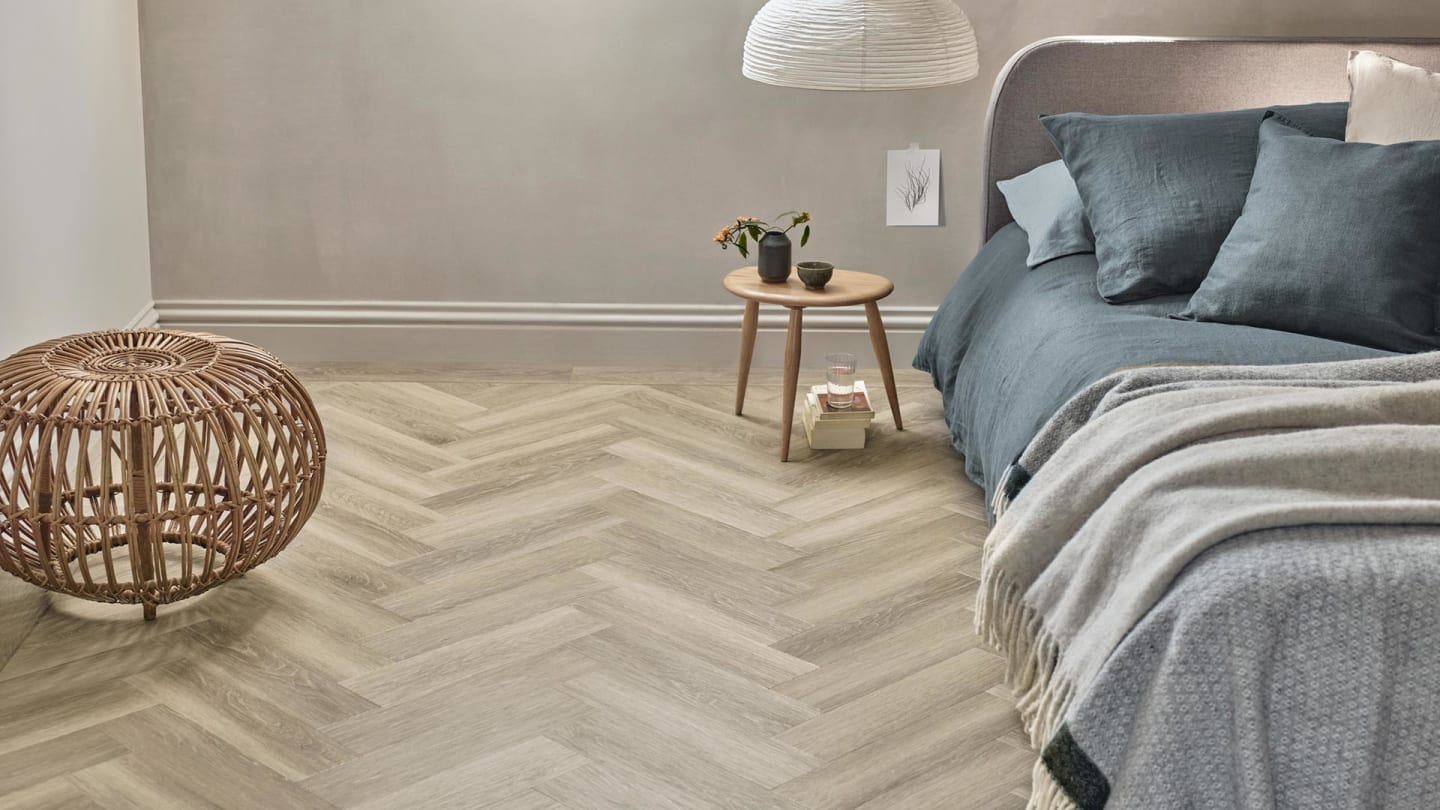
II. Core Advantages of LVT Flooring
LVT flooring stands out among similar floor materials due to its premium raw materials and advanced manufacturing processes. Two advantages are especially noteworthy.
1. Exceptional Waterproof Performance
One of the biggest advantages of LVT flooring is its outstanding waterproof capability.
The core material is vinyl resin, which is naturally water-resistant.
Unlike solid wood or laminate flooring, LVT does not swell, warp, or deform when exposed to moisture.
It can be safely installed in bathrooms, kitchens, basements, and laundry rooms.
Compared with traditional flooring materials, LVT flooring offers far superior moisture resistance, making it ideal for both residential and commercial spaces.
2. Superior Overall Quality & Durability
High-quality LVT flooring features a dense internal structure, giving it excellent:
Wear resistance
Scratch resistance
Impact resistance
It can easily handle high foot traffic in shopping malls, offices, schools, and hospitals, as well as daily household wear from pets, furniture movement, and children’s activities.
In addition, LVT flooring has good dimensional stability, meaning it is less likely to expand or contract with changes in temperature and humidity.
III. Key Disadvantages of LVT Flooring
Despite its many strengths, LVT flooring also has some drawbacks that buyers should understand before purchasing.
1. Relatively High Price
Compared with ordinary vinyl flooring or laminate flooring, LVT flooring is more expensive.
Higher-quality raw materials
More complex production processes
Better wear layers and printing technology
All of these increase the production cost. For budget-sensitive projects, LVT flooring may raise the overall decoration expense.
2. Limited Natural Texture Authenticity
Although modern LVT flooring can closely imitate wood grain or stone patterns through high-definition printing, it still lacks the natural tactile feel of solid wood or natural stone.
For some high-end consumers, the “simulation effect”—especially when touched barefoot—may not fully replace the authenticity of natural materials.
IV. Critical Quality Tests for LVT Flooring
Before purchasing, consumers can perform several simple yet effective tests to evaluate the core quality of LVT flooring. These tests focus on formaldehyde content, base material quality, and moisture-proof performance.
1. Formaldehyde Content Test: Odor Identification
LVT flooring itself is vinyl-based and does not naturally contain formaldehyde. However, inferior products may use low-quality adhesives or additives.
Test Method:
Judgment:
Health Risks of Excessive Formaldehyde:
According to national standards (E1 level), formaldehyde emission should be ≤ 1.5 mg/L. Excessive levels may cause:
Throat irritation and chest tightness
Shortness of breath
Long-term respiratory diseases
Increased risk for children, pregnant women, and the elderly
2. Base Material Quality Test: Density & Appearance
For multi-layer LVT flooring, the base material plays a key role in stability.
High-Quality Base Material Standards:
Density: 0.83–0.95 g/cm³
Appearance: Uniform color, smooth texture, no impurities
Smell: No unpleasant odor
Simple Test:
Loose, brittle, or discolored cores indicate inferior quality.
3. Moisture-Proof Layer Inspection
The moisture-proof layer acts as a protective barrier, preventing deformation and improving sound insulation.
High-Quality Characteristics:
A poorly made moisture-proof layer often leads to warping and reduced service life.
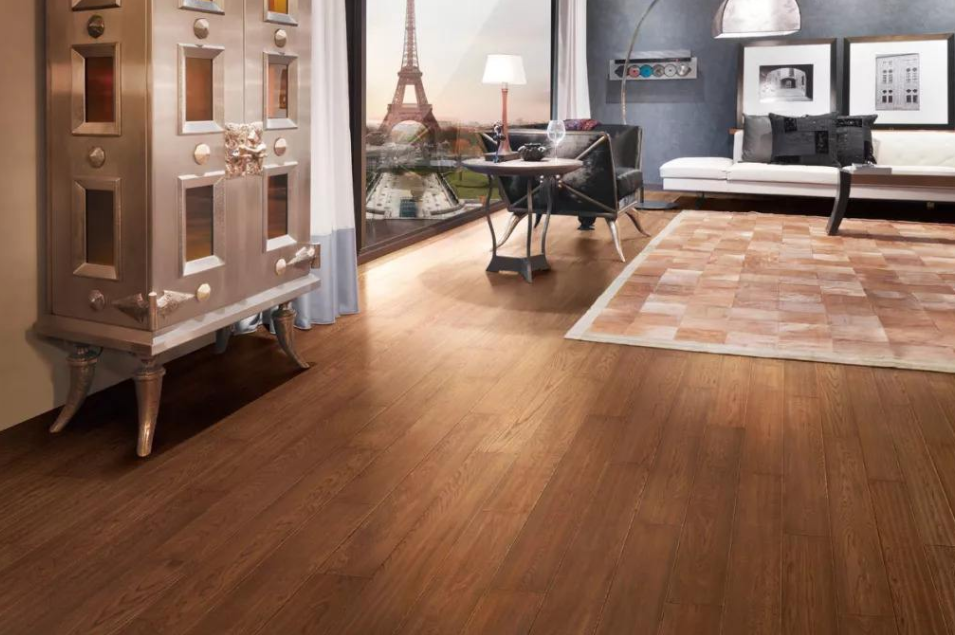
V. 10 Key Identification Methods for High-Quality LVT Flooring
To avoid counterfeit or inferior products, follow these 10 practical identification methods.
1. Verify Sales Channels & Certificates
Buy from authorized brand stores. Check for CE, ISO, environmental certifications, and official inspection reports.
2. Examine Brochures & Product Descriptions
High-quality brands provide detailed, standardized technical data, not exaggerated claims.
3. Check Pricing Standardization
Reputable brands maintain stable and transparent pricing. Large price fluctuations are a warning sign.
4. Inspect Surface Pattern & UV Resistance
Clear textures, natural colors, and resistance to fading indicate superior quality.
5. Check Core Material Quality
Dense, uniform cores with firm edges are signs of good LVT flooring.
6. Test Wear Resistance with Sandpaper
High-quality flooring shows no whitening or deep scratches after moderate friction.
7. Test Splicing Performance
Tightly joined planks with no height difference indicate high manufacturing precision.
8. Inspect the Flooring Bottom
Look for uniform color, clear branding, and no deformation.
9. Verify Imported Product Documents
Check customs declarations, certificates of origin, and Chinese-language packaging labels.
10. Check Warranty Card & Sales Receipt
Legitimate brands always provide warranty cards and valid invoices with real manufacturer details.
VI. Final Purchase Suggestions
When choosing LVT flooring, never judge solely by price or appearance. Instead:
Verify certifications
Conduct basic physical tests
Examine splicing accuracy
Prioritize low VOC and eco-certified products for homes with children or elderly residents
Select high wear-resistance grades for commercial spaces
Conclusion
LVT flooring is a high-performance, versatile flooring solution that excels in waterproofing, durability, and design flexibility. While it does have drawbacks—such as higher cost and limited natural texture—it remains an excellent choice for both residential and commercial environments when quality is properly evaluated.
By understanding the pros and cons and applying the 10 identification methods outlined in this guide, you can confidently select high-quality LVT flooring that delivers long-term value, safety, and aesthetic appeal.

 English
 العربية
 Français
 Русский
 Español
 Português
 Deutsch
 italiano
 日本語
日本語 한국어
한국어 Nederlands
 Tiếng Việt
 ไทย
ไทย Polski
 Türkçe
 አማርኛ
አማርኛ Bahasa Melayu
 தமிழ்
தமிழ் Filipino
 Bahasa Indonesia
 magyar
 Română
 Монгол
 қазақ
қазақ Српски
 हिन्दी
 فارسی
فارسی Kiswahili
 Slovenčina
 Slovenščina
 Svenska
 українська
 Ελληνικά
 Suomi
Suomi Հայերեն
 עברית
עברית اردو
اردو Shqip
Shqip বাংলা
বাংলা Hrvatski
 Afrikaans
 Māori
Māori සිංහල
සිංහල Oʻzbekcha
 latviešu
 Беларуская мова
 Bosanski
 Български
 ქართული
 Lietuvių
 Malti
Malti


