In the construction industry, the selection of exterior wall panels is a critical decision that directly impacts a building’s aesthetics, performance, and service life. Fiber cement boards and calcium silicate boards are two widely used exterior wall materials, each boasting unique advantages and characteristics. This article delves into a comprehensive comparison of the two to help determine which is more suitable for exterior wall applications.
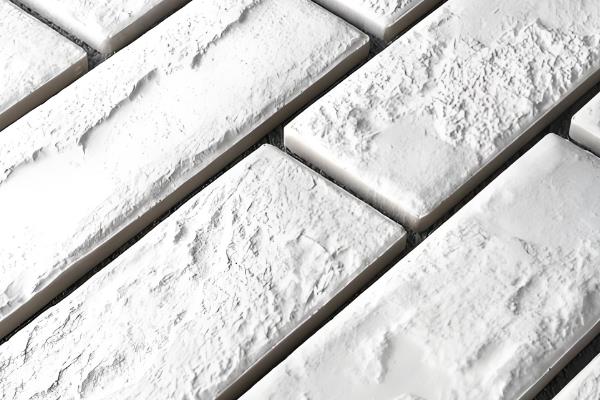
1. Core Differences: Material Composition & Manufacturing Process
The fundamental distinction between fiber cement boards and calcium silicate boards lies in their composition and production methods, which ultimately shape their performance properties.
Fiber Cement Board
Fiber cement board is primarily composed of cement, quartz sand, and reinforcing fibers (wood fibers or synthetic fibers). It is manufactured through processes including pulping, molding, and high-pressure curing, resulting in a product with high density (typically >1.4g/cm³ for exterior use) and structural robustness.
Calcium Silicate Board
Calcium silicate board is made from siliceous materials (e.g., quartz sand), calcareous materials (e.g., lime, cement), and reinforcing fibers. Its production involves molding or slurry casting, followed by a reaction in high-temperature, high-pressure steam to form calcium silicate crystals. Compared to fiber cement boards, its manufacturing process yields a product with excellent dimensional stability but slightly lower density.
2. Performance Comparison for Exterior Wall Applications
When evaluating suitability for exterior walls, key performance metrics include weather resistance, strength, fire resistance, and workability. Below is a detailed comparison:
Weather Resistance & Durability
Fiber cement board excels in weather resistance. Its high-density structure and fiber reinforcement enable it to withstand extreme temperatures, UV radiation, rain, and wind pressure without embrittlement, fading, or deformation. This makes it highly durable for long-term outdoor exposure, maintaining structural integrity and appearance for decades.
Calcium silicate board also offers basic moisture resistance and stability but is more susceptible to performance degradation under prolonged harsh weather conditions (e.g., intense sunlight or heavy rainfall). Ordinary grades may experience brittleness or slight dimensional changes when exposed to extreme environmental fluctuations.
Strength & Impact Resistance
Fiber cement board boasts superior strength and impact resistance due to its high-pressure curing process and fiber reinforcement. It can withstand accidental collisions, wind loads, and structural vibrations, making it ideal for high-traffic or windy areas (e.g., commercial building facades, coastal regions).
While calcium silicate board has adequate strength for general applications, it is relatively brittle compared to fiber cement board, resulting in lower impact resistance. This limits its suitability for areas prone to physical damage.
Fire Resistance
Both materials offer excellent fire resistance, meeting A1 non-combustible standards. However, calcium silicate board performs slightly better in high-temperature environments, with minimal dimensional changes even under extreme heat. This makes it a preferred choice for fire-rated exterior wall systems or as a protective layer in insulation composites.
Fiber cement board also provides reliable fire protection but may experience minor thermal expansion at very high temperatures, though this does not compromise its non-combustible nature.
Workability & Aesthetics
Fiber cement board offers superior workability. It can be easily cut, drilled, and bent to adapt to complex architectural designs (e.g., curved facades, custom shapes). Its smooth surface allows for easy painting, coating, or texturing (e.g., wood grain, stone patterns), aligning with 2025’s modern commercial and public building facade trends.
Calcium silicate board is also workable but less flexible in complex shaping. It has a unique, fine texture that is popular in certain modern architectural styles, though its decorative versatility is slightly limited compared to fiber cement board.
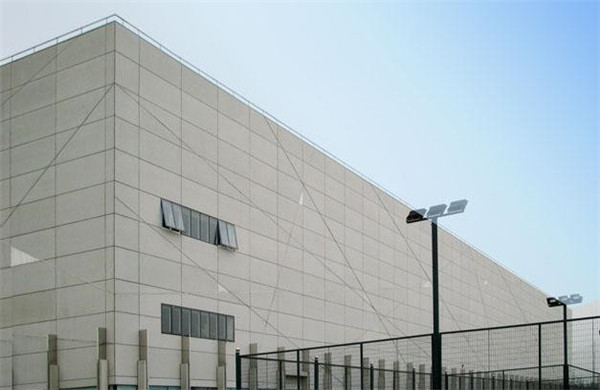
3. Application Scenarios & Selection Recommendations
Recommended for Fiber Cement Board
Fiber cement board is the optimal choice for projects prioritizing durability, weather resistance, and decorative flexibility. Key applications include:
Modern commercial and public building facades (e.g., shopping malls, office buildings)
Coastal or high-wind areas requiring strong wind pressure resistance
Projects with complex architectural designs (curved walls, custom cutouts)
Exterior walls requiring long-term UV resistance and minimal maintenance
Recommended for Calcium Silicate Board
Calcium silicate board is ideal for projects focusing on ultimate fire resistance, dimensional stability, and budget constraints. Key applications include:
Fire-rated exterior wall systems or firewall components
Exterior wall insulation composite layers (as a protective facing)
Projects with simple facade designs that prioritize a fine, uniform texture
Interior-exterior transitional areas with moderate weather exposure
4. Critical Construction Precautions for Exterior Use
Regardless of the material chosen, proper construction practices are essential to ensure performance and longevity:
Density Grade Selection: For exterior walls, always choose high-density fiber cement boards (density >1.4g/cm³) or exterior-grade calcium silicate boards to ensure wind pressure resistance and waterproofing.
Surface Treatment: Apply protective coatings (e.g., fluorocarbon paint, real stone paint, self-cleaning coatings) to prevent efflorescence, mold growth, or moisture penetration.
Installation Methods: Adopt 2025’s mainstream dry-hanging or frame-based fixing systems. Reserve expansion joints to accommodate thermal expansion and contraction, and use matching special fasteners to avoid damage to the boards.
Waterproofing Details: Pay special attention to waterproofing at joints, corners, and openings (e.g., windows, doors) to prevent water ingress into the building envelope.
Conclusion
Both fiber cement boards and calcium silicate boards are high-quality exterior wall materials, but their suitability depends on project-specific priorities. Fiber cement board is the better choice for most exterior wall applications, offering superior durability, weather resistance, and design flexibility—aligning with modern architectural trends. Calcium silicate board, however, shines in fire-critical areas or projects with budget constraints and simple design requirements.
Ultimately, the selection should be based on a comprehensive assessment of the project’s environmental conditions, design goals, performance requirements, and budget. Consulting with professional architects or material suppliers can further ensure the optimal choice for long-term building performance.

 English
 العربية
 Français
 Русский
 Español
 Português
 Deutsch
 italiano
 日本語
日本語 한국어
한국어 Nederlands
 Tiếng Việt
 ไทย
ไทย Polski
 Türkçe
 አማርኛ
አማርኛ Bahasa Melayu
 தமிழ்
தமிழ் Filipino
 Bahasa Indonesia
 magyar
 Română
 Монгол
 қазақ
қазақ Српски
 हिन्दी
 فارسی
فارسی Kiswahili
 Slovenčina
 Slovenščina
 Svenska
 українська
 Ελληνικά
 Suomi
Suomi Հայերեն
 עברית
עברית اردو
اردو Shqip
Shqip বাংলা
বাংলা Hrvatski
 Afrikaans
 Māori
Māori සිංහල
සිංහල Oʻzbekcha
 latviešu
 Беларуская мова
 Bosanski
 Български
 ქართული
 Lietuvių
 Malti
Malti


