You are here:Home / Blog / How to Identify Whether PVC Flooring Is Made from New or Recycled Materials
How to Identify Whether PVC Flooring Is Made from New or Recycled Materials
Views: 0 Author: Site Editor Publish Time: 2025-06-24 Origin: Site
When purchasing PVC plastic flooring, it’s crucial to know whether the product is made from new (virgin) materials or recycled materials. The material type directly affects the floor's quality, safety, lifespan, and even indoor air quality. Using a floor made from recycled materials may come with hidden risks, such as chemical emissions, poor durability, or unexpected wear and tear.
Below are six practical methods to help you distinguish between new and recycled PVC plastic flooring during selection.
1. Observe the Surface Appearance
The easiest way to start is with your eyes.
New Material:
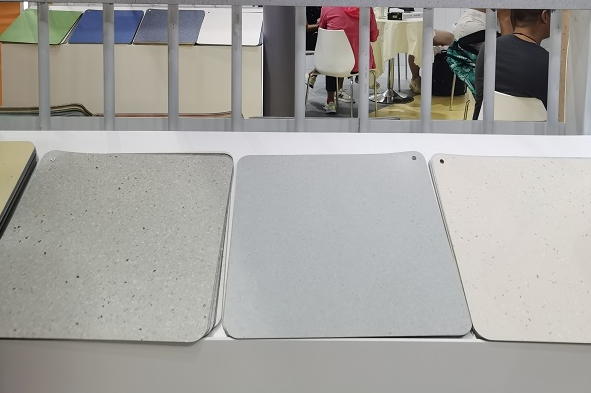
Smooth and uniform surface
Bright, vivid, and consistent color
Sharp and realistic printed patterns
No visible defects like bubbles, black spots, or cracks
Recycled Material:
Surface may look dull or uneven
Visible color differences or blotches
Patterns may appear blurred or faded
May contain impurities, particles, or small cracks
Tip: Check under good lighting. If you see inconsistent texture or discoloration, it may be made of recycled materials.
2. Smell the Material
Odor is a strong indicator of whether the floor contains harmful or recycled content.
New PVC Flooring:
Mild or neutral smell
No irritation when inhaling
Manufactured without harmful additives
Recycled PVC Flooring:
Emits a strong or pungent smell
May cause discomfort or irritation to nose or eyes
Possible presence of toxic chemicals or volatile organic compounds (VOCs)
Tip: If the flooring smells offensive or chemical-heavy when unwrapped, avoid it—it’s likely made with recycled material.
3. Check the Product’s Quality Inspection Report
Reputable manufacturers always back their products with official quality inspection reports.
New Material Flooring:
Has a detailed report verifying raw material composition, heavy metal content, and fire resistance
Complies with industry safety standards
Usually includes certification marks (e.g., ISO, SGS)
Recycled Material Flooring:
May lack documentation
Or contain failed test indicators (e.g., high levels of lead, cadmium, or formaldehyde)
Tip: Ask the seller for a copy of the inspection report. If they refuse or the report shows non-compliance, walk away.
4. Inquire About the Production Process and Material Sources
The manufacturer’s transparency is another good indicator.
New Material Production:
Uses strictly screened virgin PVC
Manufactured under modern, automated processes
Ensures consistent quality and safety
Recycled Material Production:
Involves manual or outdated processes
May blend in waste PVC, offcuts, or old plastics
Little control over consistency or purity
Tip: Ask detailed questions about how the product is made and where the raw materials come from. Honest suppliers will provide clear answers.
5. Flexibility and Toughness Test
A quick physical test can give you helpful clues.
New PVC Flooring:
Flexible and elastic
Can bend without cracking
Withstands pressure and heavy traffic
Recycled PVC Flooring:
Feels stiffer or more brittle
Breaks or cracks when folded
Ages faster and may develop surface fractures over time
Tip: Gently bend a corner of the sample. If it snaps, stiffens, or cracks, it’s not made from high-quality virgin material.
6. Compare the Price
As with most materials, price reflects quality.
New Material Flooring:
Slightly higher price due to better raw materials and stricter production standards
Greater value over time due to longer lifespan and fewer problems
Recycled Material Flooring:
Cheaper upfront
But may require early replacement, higher maintenance, and pose health risks
Tip: Be cautious if the price is significantly lower than the market average—cheap often comes at the cost of quality and safety.
Summary Table: New vs. Recycled PVC Plastic Flooring
Feature
New Material
Recycled Material
Surface
Smooth, bright, no impurities
Dull, uneven, may have black spots
Smell
Neutral or mild
Strong or chemical odor
Durability
Flexible, crack-resistant
Brittle, prone to cracking
Certification
Full inspection report provided
No or failed certification
Health & Safety
Low VOCs, non-toxic
May contain harmful substances
Price
Higher but long-term value
Lower but short lifespan
Conclusion
To ensure you’re buying a safe, durable, and high-quality PVC plastic floor, always take the time to check whether it's made from new or recycled materials. While recycled flooring may appear cheaper at first, it comes with potential downsides—including health hazards, unpleasant odors, and poor performance.
By observing the appearance, smelling the material, asking for quality reports, understanding the production process, and testing the flexibility, you can confidently choose the right product. Always buy from reliable brands or certified dealers, and remember—a good floor is an investment in safety, comfort, and longevity.

 English
 العربية
 Français
 Русский
 Español
 Português
 Deutsch
 italiano
 日本語
日本語 한국어
한국어 Nederlands
 Tiếng Việt
 ไทย
ไทย Polski
 Türkçe
 አማርኛ
አማርኛ Bahasa Melayu
 தமிழ்
தமிழ் Filipino
 Bahasa Indonesia
 magyar
 Română
 Монгол
 қазақ
қазақ Српски
 हिन्दी
 فارسی
فارسی Kiswahili
 Slovenčina
 Slovenščina
 Svenska
 українська
 Ελληνικά
 Suomi
Suomi Հայերեն
 עברית
עברית اردو
اردو Shqip
Shqip বাংলা
বাংলা Hrvatski
 Afrikaans
 Māori
Māori සිංහල
සිංහල Oʻzbekcha
 latviešu
 Беларуская мова
 Bosanski
 Български
 ქართული
 Lietuvių
 Malti
Malti