SPC flooring has rapidly become one of the most popular flooring choices in recent years. Known for its durability, versatility, and ease of installation, SPC flooring has taken the market by storm. In this article, we will explore everything you need to know about SPC flooring, including its types, advantages, disadvantages, and how it compares to other flooring options. Whether you’re considering SPC for your home, office, or commercial space, we’ll help you make an informed decision.
What is SPC Flooring?
SPC stands for Stone Plastic Composite, a highly durable, rigid core flooring solution that combines limestone, PVC, and stabilizers. This fusion results in a highly resilient product that’s waterproof, scratch-resistant, and suitable for a wide range of applications. Its rigid core makes it a preferred choice for high-traffic areas and spaces where moisture resistance is a priority, such as kitchens, bathrooms, and basements.
Unlike traditional hardwood or laminate flooring, SPC is made from synthetic materials, offering a more budget-friendly alternative that mimics the look and feel of natural wood without the drawbacks.
The Four Types of SPC Flooring
SPC flooring comes in several variations, each catering to different needs and preferences. Let’s explore the four most common types of SPC flooring currently available on the market.
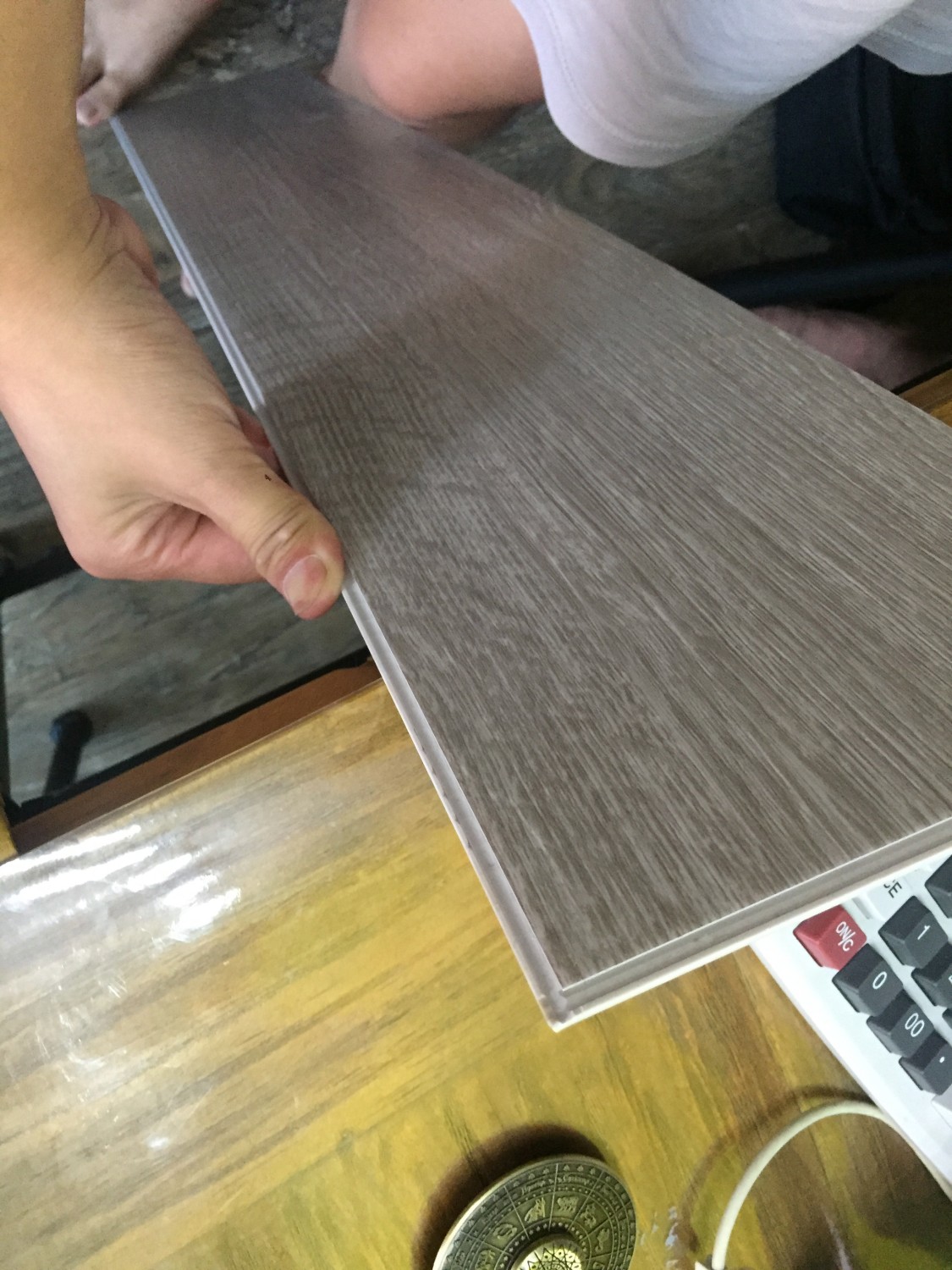
1. Regular Single-Layer SPC Flooring
Regular single-layer SPC flooring is the most common and affordable option on the market. It’s often chosen for residential or commercial applications, such as living rooms, shops, and hallways, where budget constraints are a consideration.
This flooring type typically features a single core layer made from a blend of limestone powder and PVC. Its straightforward design makes it a cost-effective choice, with prices ranging from just a few cents to $2 per square foot. Despite its affordability, single-layer SPC flooring still provides excellent water resistance and durability, making it ideal for low to medium-traffic areas.
Pros:
Affordable: The most cost-effective SPC option.
Durable: Resistant to water and wear.
Easy to install: DIY-friendly and can be easily installed using click-lock technology.
Cons:
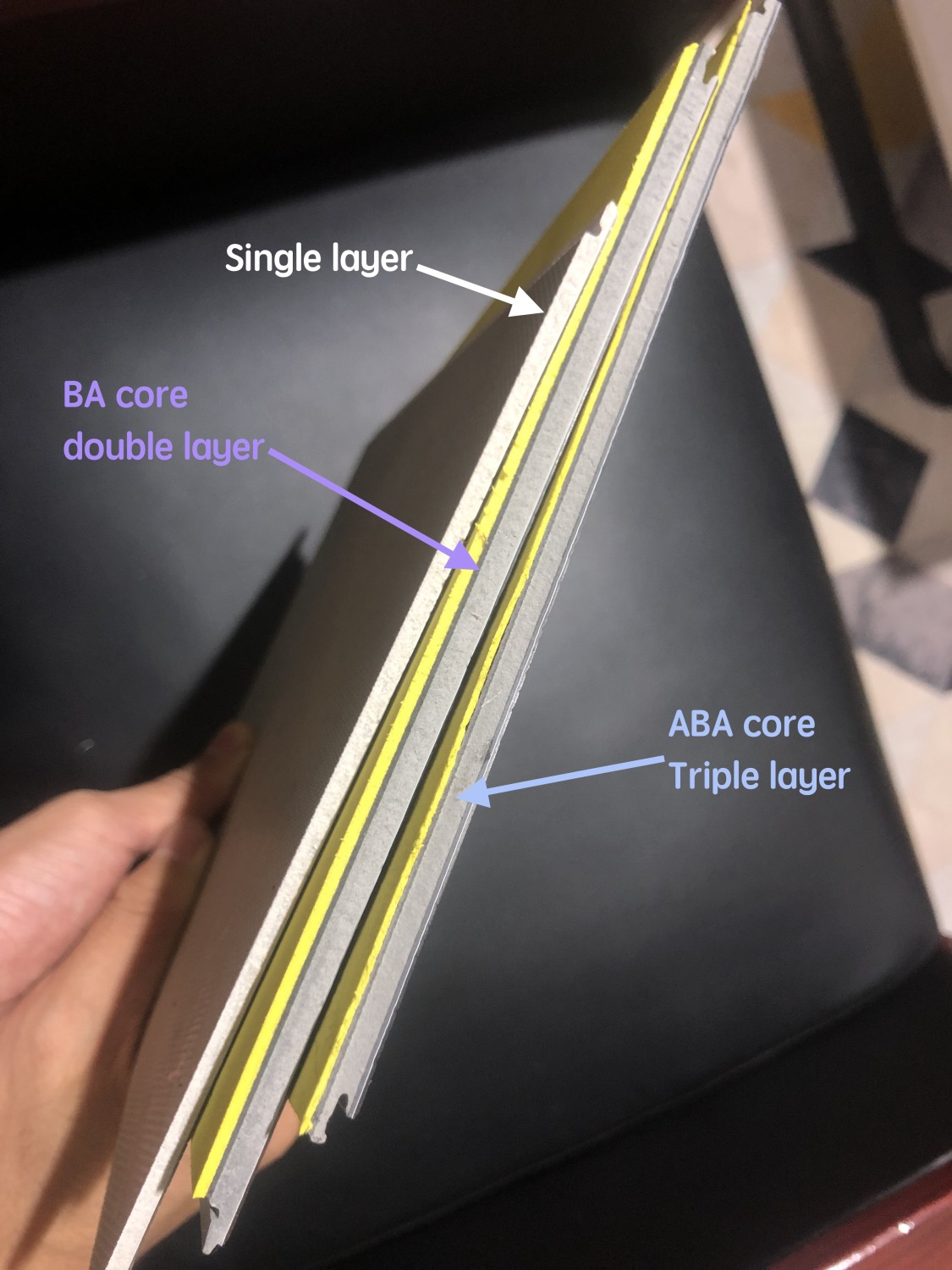
2. Regular Double-Layer SPC Flooring (BA Core or ABA Core Flooring)
Regular double-layer SPC flooring features two layers, making it more stable and comfortable underfoot than its single-layer counterpart. The structure of the flooring is often referred to as BA Core or ABA Core, where "B" refers to the rigid core layer and "A" refers to the wear-resistant top layer.
This type of SPC flooring is generally favored by homeowners who want additional stability and comfort. The inclusion of EVA or IXPE foam backing enhances the underfoot feel, making it more cushioned. Double-layer SPC flooring costs approximately 5% to 20% more than single-layer SPC flooring, but it offers superior stability and is a good choice for medium-traffic areas.
Pros:
Improved stability: The dual-layer structure provides added strength.
Increased comfort: Foam backing enhances walking comfort.
Versatile: Suitable for residential and light commercial spaces.
Cons:
Higher cost: More expensive than single-layer SPC flooring.
Not as durable as premium options: While stable, it may not withstand heavy commercial traffic.
3. EIR (Embossed In Register) SPC Flooring
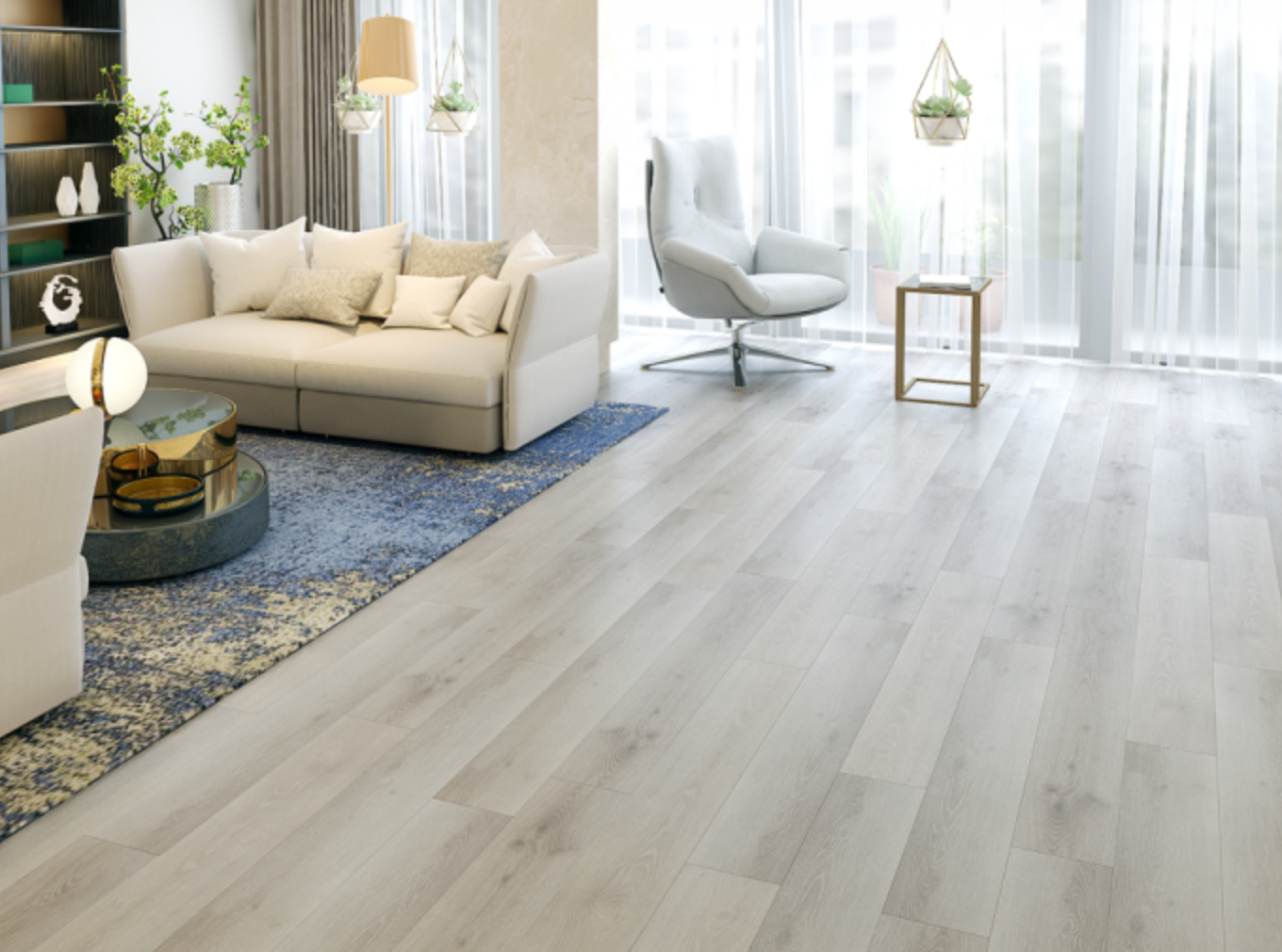
EIR SPC flooring is the premium option in the SPC category. The embossing process mimics the natural texture of wood, making this flooring option look incredibly realistic. The embossed texture is carefully designed to align perfectly with the grain of the wood design, offering a high-end aesthetic without the high price tag of real hardwood.
This type of SPC flooring is ideal for homeowners who want the luxurious appearance of hardwood without the maintenance or expense. EIR SPC flooring is also highly pet-friendly, as its textured surface resists scratches and scuffs. However, it is typically 20% to 50% more expensive than regular double-layer SPC flooring, making it a significant investment.
Pros:
Realistic wood look: EIR technology offers the most authentic wood appearance.
Pet-friendly: Durable and resistant to scratches.
Luxury appeal: Adds sophistication to any room.
Cons:
4. Aluminum Oxide Technology SPC Flooring
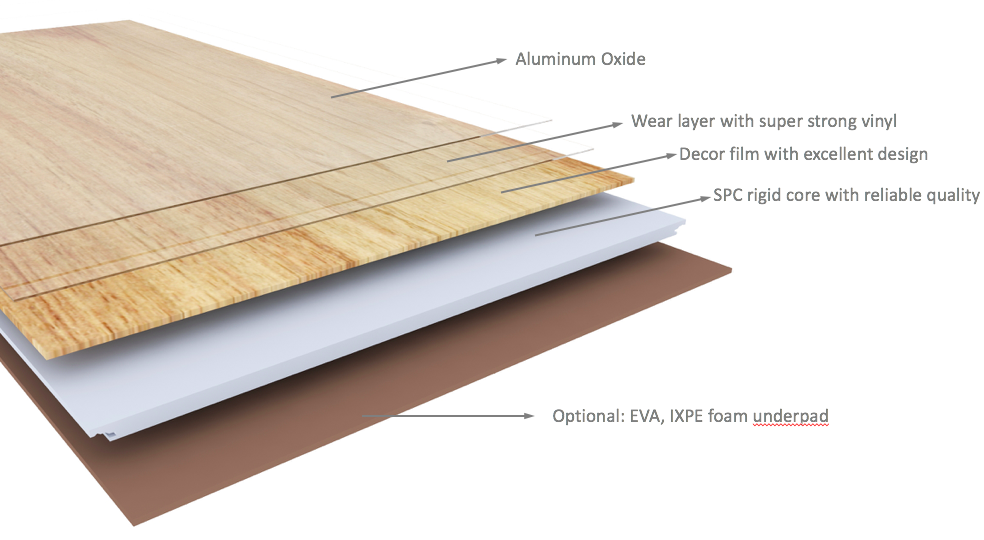
Aluminum oxide technology SPC flooring is one of the most durable options available on the market. The use of aluminum oxide enhances the hardness of the surface, making it 30% to 80% more resistant to scratches and wear compared to standard UV-coated SPC flooring.
This makes it an excellent choice for areas with high foot traffic, such as commercial spaces, offices, and homes with children or pets. Aluminum oxide-coated SPC flooring is designed to withstand the toughest conditions while maintaining its aesthetic appeal.
Pros:
Highly scratch-resistant: Ideal for high-traffic areas.
Durable: Resistant to wear and tear.
Suitable for homes with pets and children: Perfect for busy households.
Cons:
Advantages of SPC Flooring
SPC flooring has garnered significant popularity due to its many benefits, which include:
100% Waterproof: Perfect for wet areas like bathrooms, kitchens, and basements.
Low Installation Cost: SPC flooring is affordable, with the option to DIY installation or hire professionals at a reasonable price.
Easy to Install: Click-lock systems simplify the installation process, reducing time and effort.
Aesthetic Variety: SPC flooring comes in an extensive range of designs, colors, and textures, ensuring there’s something for every taste.
Eco-friendly: SPC flooring is made from recycled materials, making it an environmentally responsible choice.
Safe for Indoor Air Quality: Free from hazardous chemicals such as formaldehyde, glues, and phthalates.
Sound Insulation: Provides some degree of soundproofing, making it suitable for multi-level homes or offices.
Disadvantages of SPC Flooring
While SPC flooring has numerous advantages, it also has a few drawbacks:
Scratch-Prone: The surface can show scratches over time, especially in high-traffic areas.
Thin Materials: Lacks the cushioning effect that hardwood or laminate offers underfoot.
Limited Outdoor Use: SPC is not suitable for outdoor installations due to its sensitivity to UV rays.
Fading Over Time: Prolonged exposure to sunlight may cause the color to fade.
Not Real Wood: Despite its aesthetic appeal, SPC is still a synthetic material, which can affect resale value compared to authentic hardwood flooring.
Which Type of SPC Flooring is Right for You?
When selecting SPC flooring, it’s important to consider your specific needs. If you’re on a budget, regular single-layer SPC flooring offers great value. For enhanced comfort and stability, double-layer SPC flooring might be the best option. If aesthetics and realism are your priorities, EIR SPC flooring delivers a stunning, natural wood look. Finally, for high-traffic areas, aluminum oxide technology SPC flooring provides the ultimate in durability and protection.
Conclusion
SPC flooring offers a wide range of benefits and options to suit various needs and budgets. Whether you're looking for a budget-friendly solution, a premium wood-look finish, or a flooring option built to withstand high traffic, SPC has you covered. With its waterproof properties, ease of installation, and wide range of styles, SPC flooring is set to remain a popular choice for both residential and commercial spaces.

 English
 العربية
 Français
 Русский
 Español
 Português
 Deutsch
 italiano
 日本語
日本語 한국어
한국어 Nederlands
 Tiếng Việt
 ไทย
ไทย Polski
 Türkçe
 አማርኛ
አማርኛ Bahasa Melayu
 தமிழ்
தமிழ் Filipino
 Bahasa Indonesia
 magyar
 Română
 Монгол
 қазақ
қазақ Српски
 हिन्दी
 فارسی
فارسی Kiswahili
 Slovenčina
 Slovenščina
 Svenska
 українська
 Ελληνικά
 Suomi
Suomi Հայերեն
 עברית
עברית اردو
اردو Shqip
Shqip বাংলা
বাংলা Hrvatski
 Afrikaans
 Māori
Māori සිංහල
සිංහල Oʻzbekcha
 latviešu
 Беларуская мова
 Bosanski
 Български
 ქართული
 Lietuvių
 Malti
Malti


