Luxury Vinyl Tile (LVT) flooring has quickly become one of the most popular choices for residential and commercial interiors. Known for its aesthetic appeal, water resistance, and ease of installation, LVT flooring is often the go-to option for people who want a stylish yet durable floor—without the high cost of natural wood or stone. If you're considering LVT for your space or need expert insights on installation and upkeep, this guide will walk you through everything you need to know.
What Is LVT Flooring?
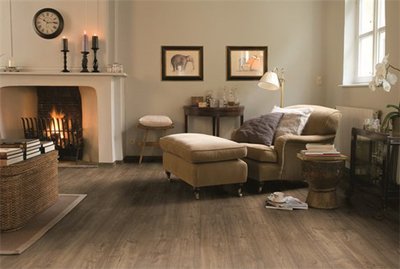
LVT (Luxury Vinyl Tile) flooring is a type of resilient flooring made from multiple layers of PVC vinyl. It mimics the appearance of natural materials like wood, stone, or ceramic—but at a fraction of the price and maintenance effort. The structure typically includes a wear layer, printed design layer, core layer, and a backing layer, each designed to contribute to the durability, look, and feel of the tile.
Why Choose LVT Flooring?
There are plenty of reasons LVT has become a favorite in homes, offices, schools, and commercial spaces. These include:
Aesthetic Variety: From hardwood to marble patterns, LVT offers endless design choices.
Water Resistance: Excellent for bathrooms, kitchens, and laundry rooms.
Comfort Underfoot: Slight cushioning makes it more comfortable than tile or hardwood.
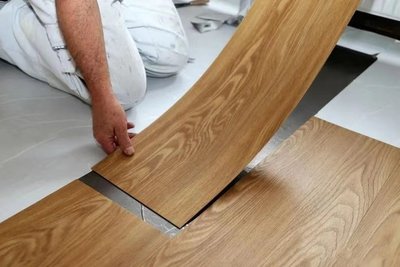
Easy Installation: DIY-friendly with glue-down and click-lock options.
Affordability: Get a luxury look for less.
LVT Flooring Installation: Step-by-Step Guide
Proper installation is key to getting the most out of your LVT flooring. Below, we break it down into simple stages.
1. Substrate Preparation
Before you install LVT, ensure your substrate (floor base) meets these conditions:
Use a moisture barrier or underlayment if you're working in a high-humidity area or over a concrete subfloor.
2. Choose Your Installation Method
There are two main installation techniques for LVT:
Glue-Down Method
Best for: Large commercial spaces, irregular layouts.
Requirements: Use specialized vinyl flooring adhesive.
Tip: Spread glue evenly using a trowel to avoid bubbles or gaps.
Click-Lock (Floating Floor)
Best for: DIY installations, homes.
Advantages: No glue required, faster to install.
Tip: Ensure the subfloor is smooth for proper locking of tiles.
3. Installation Direction
Always start laying your tiles from the centerline of the room and work outward. This provides the most balanced and visually appealing result. Align tiles in the same direction for a uniform look, or consider herringbone or diagonal patterns for more style.
How to Maintain Your LVT Flooring
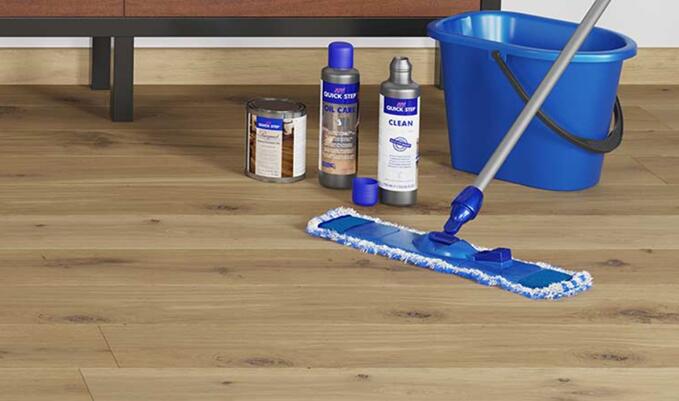
LVT floors are known for low maintenance, but following these tips will extend their lifespan and keep them looking brand new.
1. Daily Cleaning Tips
2. Handling Stains
3. Preventing Scratches
4. Water and Moisture Management
5. Sunlight Protection
6. Periodic Maintenance
Advantages of LVT Flooring
Here are the most compelling benefits of choosing LVT:
1. Excellent Wear Resistance
LVT floors have a durable wear layer that withstands heavy foot traffic, making them ideal for busy areas like hallways, living rooms, and commercial spaces.
2. Waterproof and Moisture-Proof
Due to their synthetic core, LVT tiles are completely waterproof, which is why they are commonly installed in kitchens, bathrooms, and laundry rooms.
3. Anti-Slip Surface
The textured top layer offers slip resistance, enhancing safety in wet or high-traffic areas.
4. Comfortable Underfoot
LVT has a degree of resilience and flexibility, making it more comfortable to walk or stand on for long periods compared to ceramic tiles.
5. Easy to Clean
Thanks to its smooth, sealed surface, LVT is resistant to dirt and easy to clean, making it perfect for homes with pets or kids.
6. Affordable Luxury
Compared to stone or hardwood, LVT delivers the same high-end visual appeal at a significantly lower price point.
Disadvantages of LVT Flooring
No flooring is perfect. Here are a few drawbacks to consider:
1. Stability Concerns
LVT can expand or contract when exposed to temperature changes, especially if installed improperly or without an expansion gap.
2. Not Heat-Resistant
Avoid installing LVT near heat vents, radiators, or sun-drenched windows, as excessive heat can cause warping.
3. Less Durable Than Some Alternatives
While durable, LVT doesn’t quite match the wear resistance of ceramic tile or natural hardwood, especially under heavy rolling loads or sharp objects.
Where Can You Use LVT Flooring?
Thanks to its versatility and design flexibility, LVT works well in a wide range of environments:
Residential Spaces: Living rooms, bedrooms, kitchens, bathrooms, laundry areas.
Commercial Areas: Offices, retail stores, cafes, hotel rooms.
Educational Institutions: Schools, kindergartens, libraries.
Healthcare Facilities: Clinics, waiting areas (due to easy cleaning and slip resistance).
Child-Friendly Rooms: Playrooms or nurseries that require safety and hygiene.
LVT Flooring vs Other Flooring Options
Let’s see how LVT stacks up against other popular flooring types.
| Feature | LVT Flooring | Hardwood | Ceramic Tile | Laminate |
| Water Resistance | ✅ Excellent | ❌ Poor | ✅ Excellent | ⚠️ Moderate |
| DIY Friendly | ✅ Yes | ❌ No | ❌ No | ✅ Yes |
| Comfort | ✅ Cushioned feel | ⚠️ Hard underfoot | ❌ Hard & cold | ✅ Moderate |
| Appearance | ✅ Realistic look | ✅ Natural beauty | ✅ High-end | ✅ Wood-like |
| Price | ✅ Affordable | ❌ Expensive | ⚠️ Varies | ✅ Budget-friendly |
| Durability | ✅ Good | ✅ Excellent | ✅ Excellent | ⚠️ Lower |
Frequently Asked Questions About LVT Flooring
1. Can I install LVT flooring myself?
Yes! Especially with click-lock LVT, many homeowners successfully complete DIY installations.
2. How long does LVT flooring last?
On average, 10–20 years depending on wear layer thickness, usage, and maintenance.
3. Is LVT suitable for pets?
Absolutely. It’s scratch-resistant, easy to clean, and comfortable for pets to walk on.
4. Can LVT be used with underfloor heating?
Yes, but check the manufacturer's guidelines for maximum allowable temperatures (usually not above 27°C/80°F).
Conclusion
LVT flooring is a smart and stylish solution for those seeking durability, beauty, and easy maintenance—without breaking the bank. Whether you're remodeling a home, upgrading an office, or outfitting a school or daycare, LVT offers a host of benefits, from waterproof properties to slip resistance and comfort underfoot.
With proper installation and regular care, your LVT floors can last for decades, looking just as great as the day they were laid. So if you're in the market for practical luxury and long-term value, LVT flooring is hard to beat.

 English
 العربية
 Français
 Русский
 Español
 Português
 Deutsch
 italiano
 日本語
日本語 한국어
한국어 Nederlands
 Tiếng Việt
 ไทย
ไทย Polski
 Türkçe
 አማርኛ
አማርኛ Bahasa Melayu
 தமிழ்
தமிழ் Filipino
 Bahasa Indonesia
 magyar
 Română
 Монгол
 қазақ
қазақ Српски
 हिन्दी
 فارسی
فارسی Kiswahili
 Slovenčina
 Slovenščina
 Svenska
 українська
 Ελληνικά
 Suomi
Suomi Հայերեն
 עברית
עברית اردو
اردو Shqip
Shqip বাংলা
বাংলা Hrvatski
 Afrikaans
 Māori
Māori සිංහල
සිංහල Oʻzbekcha
 latviešu
 Беларуская мова
 Bosanski
 Български
 ქართული
 Lietuvių
 Malti
Malti


