When selecting flooring for hospital environments, one of the most crucial factors is determining the right thickness of the homogeneous PVC plastic floor. Hospitals require flooring that not only meets aesthetic and functional needs but also ensures safety, durability, and hygiene. This article will provide a comprehensive guide on choosing the optimal thickness for homogeneous PVC flooring, based on various usage requirements, budget constraints, and special considerations.
Understanding Homogeneous PVC Flooring
Homogeneous PVC plastic flooring is a versatile and widely used flooring option in medical facilities. It is known for its seamless design, which eliminates joints where dirt, moisture, and bacteria could accumulate. The permeability of the flooring also allows for better water drainage and air circulation, making it suitable for high-humidity areas, like hospitals.
This type of flooring comes in different thicknesses, which can significantly impact its performance. The thickness plays a vital role in determining its durability, slip resistance, ease of maintenance, and comfort—all of which are critical factors in hospital settings.
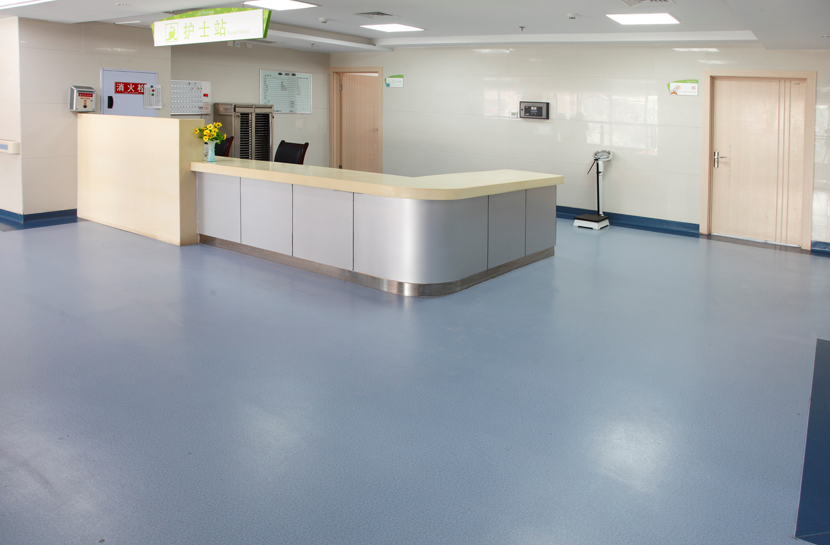
Choosing the Right Thickness for Hospital Floors
1. Regular Use: 2.0mm Thickness for Most Hospital Environments
For most hospital environments, including corridors, wards, and offices, a 2.0mm thick homogeneous PVC floor is typically sufficient. This thickness is considered the standard for general hospital applications where the traffic is moderate but consistent. Floors in these areas need to be durable, easy to clean, and comfortable for both patients and staff.
A 2.0mm thick PVC floor offers a balanced combination of wear resistance, stain resistance, and comfort. Its smooth surface makes it easy to clean and maintain, reducing the risk of bacterial growth—an essential feature in medical environments. Additionally, the floor provides adequate comfort for walking and standing, ensuring staff and patients experience minimal strain throughout the day.
Advantages of 2.0mm PVC Flooring:
Good wear resistance suitable for areas with moderate foot traffic
Stain-resistant properties make it easy to clean
Comfortable underfoot, enhancing employee and patient experience
Affordable, making it ideal for facilities with budget constraints
2. High-Intensity Use: 3.0mm Thickness for Areas with Heavy Traffic
In areas of the hospital where foot traffic is exceptionally high or where there is a higher demand for durability, such as in operating rooms, pharmacies, and intensive care units (ICUs), a 3.0mm thick PVC floor may be more appropriate. These zones experience significant foot traffic, equipment movement, and medical procedures that can cause significant wear and tear on flooring.
The 3.0mm thickness provides enhanced durability, offering superior wear resistance to handle the daily strain and harsh conditions in these high-traffic areas. It ensures that the floor maintains its integrity, even under heavy use, and minimizes the frequency of maintenance or replacements.
Advantages of 3.0mm PVC Flooring:
Increased durability to withstand high-intensity use
Superior wear resistance for high-traffic areas
Better sound insulation, contributing to quieter hospital environments
Longer lifespan, reducing replacement costs over time
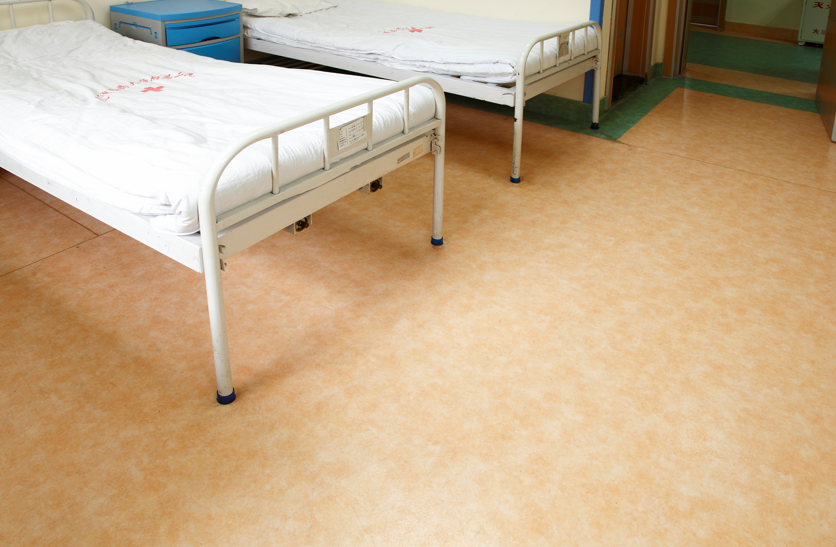
3. Budget Considerations: How to Choose the Right Thickness Based on Financial Constraints
When working with a limited budget, many hospitals may opt for the 2.0mm thick PVC flooring as it can still provide adequate performance in most general hospital areas. However, if the budget allows for more investment, upgrading to a 3.0mm thick floor can be considered, especially in areas that experience higher foot traffic or specific requirements for durability.
While 2.0mm floors are an economical option, they are still quite durable and functional, making them the go-to choice for many hospitals aiming to balance quality and cost. On the other hand, opting for a thicker floor provides greater longevity and higher performance, reducing the need for repairs and replacements over time.
Budget-Friendly vs. Premium Floors:
2.0mm thickness offers a more cost-effective solution without sacrificing performance
3.0mm thickness ensures superior durability, making it suitable for areas with high wear and tear
4. Special Requirements: Custom Flooring for Unique Needs
Certain hospital areas may require specialized flooring solutions to meet specific needs beyond standard wear resistance and comfort. For example, areas where slip resistance, antibacterial properties, or aesthetic considerations are critical may require floors that are specially treated or have additional features.
Special Flooring Needs in Hospitals:
Anti-slip properties: Hospitals need to prevent slips and falls, especially in areas that are prone to moisture, such as operating rooms, patient rooms, and bathrooms.
Antibacterial treatments: Hospitals prioritize hygiene, and flooring that resists bacterial growth is essential for maintaining cleanliness in medical environments.
Aesthetic appeal: Some hospitals require aesthetically pleasing flooring for patient areas or high-visibility spaces to improve the overall hospital environment.
In these cases, the thickness of the floor may vary based on the specific treatments applied to the surface. While thicker floors may offer enhanced performance, hospitals with specialized requirements can work with flooring manufacturers to ensure they meet the precise standards for safety, aesthetics, and function.
Why Choose Homogeneous PVC Flooring for Hospitals?
The homogeneous PVC flooring is an ideal option for healthcare environments for several reasons:
Seamless Design: The seamless nature of the flooring prevents dirt and bacteria buildup, promoting a cleaner, safer environment.
Hygiene: With proper installation, these floors help maintain high standards of hygiene, crucial in a medical setting.
Comfort: The flooring provides a comfortable walking surface that minimizes fatigue for medical staff, who spend long hours on their feet.
Noise Reduction: The flooring helps reduce sound transmission, creating a quieter hospital environment, which is essential for patient recovery and staff performance.
Water Permeability: The permeability of the flooring allows for better air and water circulation, which is vital in maintaining a dry and clean environment, especially in high-humidity areas.
Final Thoughts: Choosing the Right Thickness for Your Hospital’s PVC Flooring
When selecting the thickness of homogeneous PVC flooring for a hospital, several factors must be taken into consideration, including the level of foot traffic, the nature of the area, budget constraints, and any special requirements.
In most cases, a 2.0mm thick floor will suffice for areas with moderate traffic, offering a balance between cost-effectiveness and performance. However, for high-traffic areas or those requiring enhanced durability, a 3.0mm thick floor is a better choice, providing long-lasting performance and superior protection.
Always consult with professional suppliers and flooring experts to ensure that you are selecting the right thickness for your hospital's specific needs and budget. With the right choice, your hospital’s flooring will meet both aesthetic and functional requirements, ensuring a safe, clean, and comfortable environment for patients and staff alike.

 English
 العربية
 Français
 Русский
 Español
 Português
 Deutsch
 italiano
 日本語
日本語 한국어
한국어 Nederlands
 Tiếng Việt
 ไทย
ไทย Polski
 Türkçe
 አማርኛ
አማርኛ Bahasa Melayu
 தமிழ்
தமிழ் Filipino
 Bahasa Indonesia
 magyar
 Română
 Монгол
 қазақ
қазақ Српски
 हिन्दी
 فارسی
فارسی Kiswahili
 Slovenčina
 Slovenščina
 Svenska
 українська
 Ελληνικά
 Suomi
Suomi Հայերեն
 עברית
עברית اردو
اردو Shqip
Shqip বাংলা
বাংলা Hrvatski
 Afrikaans
 Māori
Māori සිංහල
සිංහල Oʻzbekcha
 latviešu
 Беларуская мова
 Bosanski
 Български
 ქართული
 Lietuvių
 Malti
Malti


