In today’s construction industry, the need for materials that are lightweight, durable, and versatile is greater than ever. Builders and architects are constantly on the lookout for solutions that offer functionality without compromising on aesthetic appeal or sustainability. One such material that has gained immense popularity in recent years is PVC foam board. Known for its impressive range of applications and benefits, PVC foam board has become a go-to material for a wide range of building projects. But what exactly makes it so popular? Let’s dive into the reasons behind the growing use of PVC foam board in construction.
What is PVC Foam Board?
PVC foam board, or polyvinyl chloride foam board, is a type of lightweight plastic material that is commonly used in construction. It is made by expanding polyvinyl chloride (PVC) to create a foam-like structure that is rigid, yet lightweight. The board is durable, water-resistant, and can be easily fabricated into different shapes and sizes, making it ideal for a wide variety of construction applications.

Key Features of PVC Foam Board
Lightweight Nature
One of the most notable features of PVC foam board is its lightweight structure. This characteristic makes it easy to handle and transport, reducing the overall labor and installation costs in construction projects. Despite its light weight, PVC foam board is incredibly sturdy and can withstand significant wear and tear, making it suitable for both indoor and outdoor applications.
Durability and Weather Resistance
Durability is another standout feature of PVC foam board. The material is resistant to moisture, chemicals, and UV rays, which makes it perfect for use in a variety of environmental conditions. Whether it’s used indoors or outdoors, PVC foam board can endure harsh weather without warping, rotting, or deteriorating over time.
Fire Resistance
PVC foam board also offers fire-resistant properties, which is a crucial factor in construction materials. It has a self-extinguishing quality, meaning it will not contribute to the spread of fire, adding an extra layer of safety to any building project.
Why PVC Foam Board is Gaining Popularity
Versatility in Construction Applications
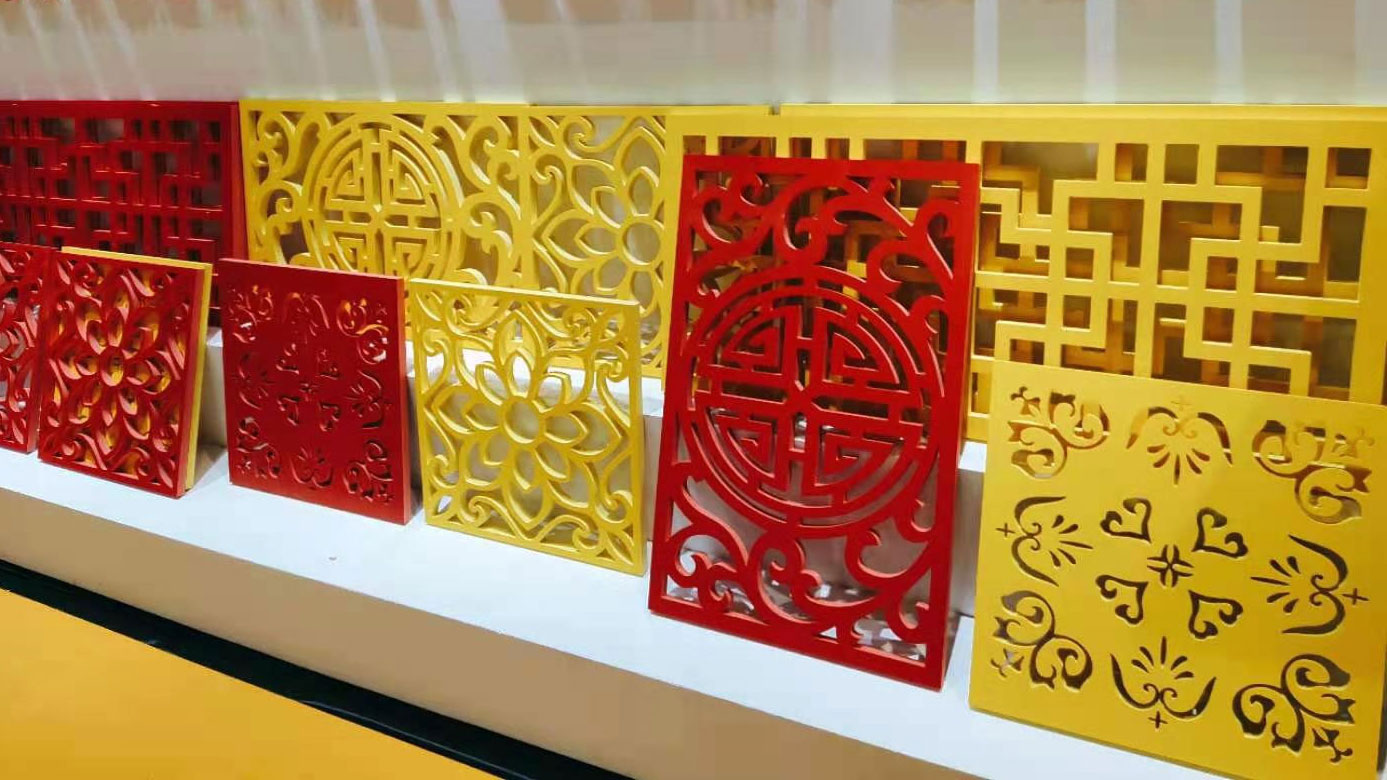
One of the main reasons for the increasing popularity of PVC foam board is its versatility. It can be used in a wide range of applications, from interior design elements such as wall cladding and partitions to exterior facades and signage. This adaptability makes it a highly sought-after material in the construction world.
Cost-Effectiveness Compared to Traditional Materials
PVC foam board is also cost-effective when compared to traditional materials like wood, metal, or concrete. Not only is the material itself less expensive, but its lightweight nature reduces transportation and installation costs, leading to savings across the board.
Water and Moisture Resistance
One of the standout properties of PVC foam board is its waterproof and moisture-resistant nature. Unlike wood, which can swell and warp when exposed to moisture, PVC foam board maintains its integrity even in wet environments. This makes it an ideal choice for bathrooms, kitchens, and outdoor spaces where exposure to moisture is inevitable.
Thermal and Sound Insulation Properties
PVC foam board also offers excellent thermal and sound insulation properties. This makes it an ideal material for energy-efficient buildings, helping to reduce heating and cooling costs. Its soundproofing ability is another advantage, particularly in commercial and residential buildings where noise reduction is important.
Eco-Friendliness of PVC Foam Board
As sustainability becomes a priority in construction, PVC foam board stands out as an eco-friendly option. The material is recyclable and can be repurposed, contributing to a reduction in construction waste. Additionally, its long lifespan means fewer replacements and less environmental impact over time.
PVC Foam Board in Interior Design
PVC foam board’s lightweight and customizable nature make it perfect for interior design applications. It is commonly used for cabinetry, wall cladding, and partitions, offering a sleek and modern look while maintaining durability. Its smooth surface can be painted or laminated to match a variety of interior design aesthetics.

PVC Foam Board in Exterior Applications
Due to its weather-resistant properties, PVC foam board is widely used in exterior applications such as facades, signage, and outdoor structures. The material can withstand exposure to sun, rain, and wind without losing its structural integrity, making it a reliable choice for outdoor construction projects.
Ease of Fabrication and Installation
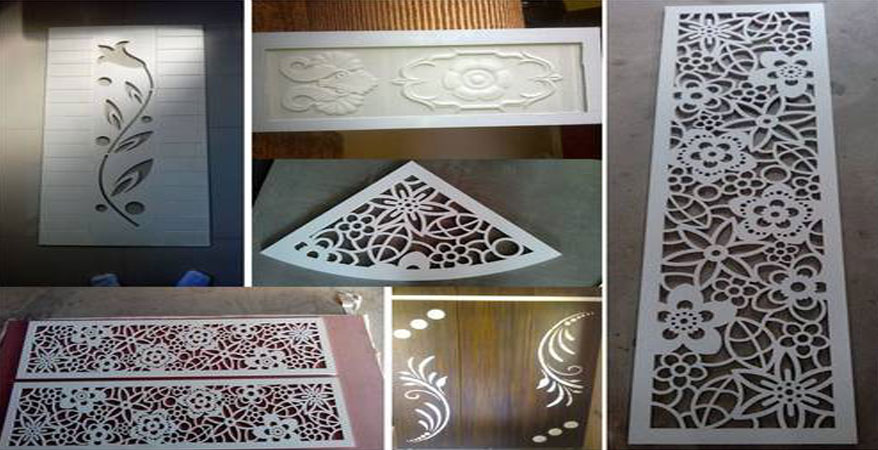
PVC foam board is incredibly easy to work with. It can be cut, shaped, and installed with minimal effort, which speeds up the construction process and reduces labor costs. Its ease of fabrication allows for greater design flexibility, enabling architects and builders to create intricate designs without the complexity associated with other materials.
Fire Resistance and Safety
Safety is always a concern in building materials, and PVC foam board addresses this with its fire-resistant properties. The material does not easily catch fire and is self-extinguishing, making it a safer choice in fire-prone areas or buildings where fire regulations are stringent.
Cost-Effectiveness of PVC Foam Board
While the initial cost of PVC foam board may be competitive with other materials, the long-term savings it provides make it a cost-effective solution. Its durability, low maintenance, and reduced need for replacements contribute to its overall affordability in construction projects.
PVC Foam Board vs. Other Materials
When compared to materials like wood, metal, and composites, PVC foam board offers distinct advantages. It is lighter, more versatile, and more resistant to environmental factors, making it a more practical choice in many cases. However, it may not be suitable for high-temperature areas or situations requiring heavy load-bearing capacities.
Sustainability in Construction with PVC Foam Board
PVC foam board fits well into sustainable construction practices, particularly in projects aiming for LEED certification. Its recyclability, long lifespan, and reduced environmental impact make it an excellent choice for builders focused on green building practices.
Conclusion
In the fast-evolving world of construction, PVC foam board has earned its place as a reliable, versatile, and cost-effective material. Its lightweight, durable, and water-resistant nature makes it ideal for a wide range of applications, both indoors and outdoors. From its excellent insulation properties to its ease of installation, PVC foam board is a fantastic choice for modern building projects looking to balance practicality with aesthetics.