When it comes to outdoor spaces, durability and longevity are key. Whether it's a deck, patio, or garden pathway, the materials used in outdoor landscaping must withstand harsh weather conditions, from scorching sun to heavy rainfall. This is where ASA material comes into play, especially when paired with wood plastic flooring. But what exactly is ASA, and why is it so important in outdoor applications? In this article, we’ll explore why ASA material is a popular choice in outdoor landscape wood plastic flooring and how it enhances the performance and appearance of this versatile product.
What is ASA Material?
ASA, or Acrylonitrile Styrene Acrylate, is a type of thermoplastic that has become a go-to material for outdoor applications. Known for its exceptional resistance to environmental factors like UV rays, heat, and chemicals, ASA is often used as a protective layer for outdoor products. It's a durable and flexible material that can withstand extreme weather without deteriorating, making it an excellent choice for outdoor wood plastic flooring.
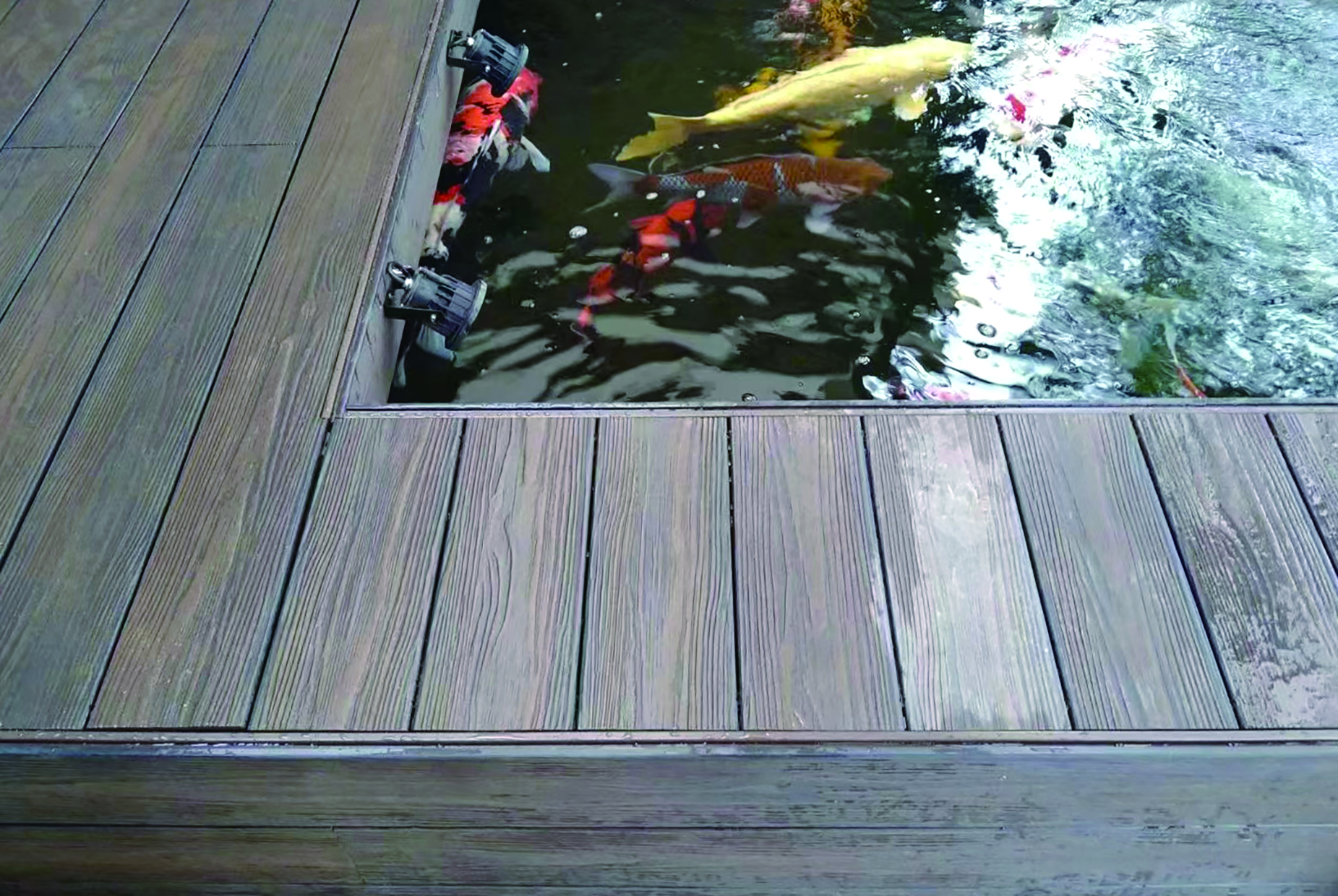
Wood Plastic Flooring: A Brief Overview
Wood plastic composite (WPC) is a combination of natural wood fibers and plastic polymers. It’s an increasingly popular material for outdoor decking and flooring due to its durability, low maintenance, and resistance to rot, mold, and insects. WPC combines the natural look of wood with the strength and longevity of synthetic materials, making it ideal for outdoor use.
Why ASA is Paired with Wood Plastic Flooring
Pairing ASA with wood plastic flooring creates a winning combination. While WPC is already a robust and durable material, ASA adds an extra layer of protection. The ASA coating helps wood plastic flooring resist the harmful effects of UV rays, temperature changes, and environmental pollutants. This partnership ensures that outdoor flooring remains visually appealing and structurally sound for years to come.
Weather Resistance of ASA
One of the biggest challenges for outdoor flooring is exposure to the elements. ASA excels in UV resistance, ensuring that the flooring does not fade or discolor when exposed to sunlight. This is particularly important for maintaining the aesthetic appeal of outdoor spaces, where the flooring needs to look great year-round.
Durability of ASA in Outdoor Environments
ASA is known for its impact resistance and ability to withstand wear and tear in high-traffic areas. This durability ensures that the flooring can handle the pressure of outdoor activities without chipping, cracking, or deteriorating, making it a long-lasting solution for landscapes.
ASA's Thermal Stability
In outdoor settings, temperatures can fluctuate dramatically. ASA provides excellent thermal stability, meaning it can handle both hot and cold weather without deforming or losing its structural integrity. This makes ASA-coated wood plastic flooring suitable for a variety of climates, from tropical heat to freezing winters.
ASA's Chemical Resistance
Outdoor flooring is often exposed to various chemicals, whether from rain, pollution, or even cleaning products. ASA offers strong chemical resistance, ensuring that these external factors don’t damage the flooring. This makes it ideal for outdoor settings where pollutants are common.
Color Customization with ASA
One of the advantages of using ASA in outdoor flooring is the wide range of color options available. ASA is easily customizable, allowing manufacturers to create flooring in various colors and designs. This aesthetic flexibility enables homeowners and designers to choose styles that complement their outdoor spaces.
Low Maintenance Requirements
Compared to traditional wood flooring, ASA-coated WPC requires much less maintenance. There’s no need for regular sealing or staining, as the ASA coating protects the surface from moisture, UV rays, and general wear. A simple clean with soap and water is usually enough to keep it looking fresh, reducing the time and effort spent on upkeep.
ASA’s Role in Eco-Friendliness
ASA is a recyclable material, which adds to its eco-friendly appeal. When combined with wood plastic composites, which also use recycled wood fibers, this makes for a sustainable option in outdoor flooring. As more homeowners and businesses focus on environmentally friendly products, ASA-coated WPC stands out as an excellent green choice.
Cost-Effectiveness of ASA in the Long Term
While the initial cost of ASA-coated WPC may be higher than traditional wood, the long-term savings in maintenance, repair, and replacement make it a cost-effective investment. Its durability ensures fewer replacements over the years, and the minimal upkeep required reduces ongoing costs.
Examples of ASA Applications Beyond Flooring
ASA isn’t just limited to wood plastic flooring. It’s widely used in automotive parts, roofing materials, and outdoor furniture, proving its reliability in various industries. This versatility highlights ASA’s strength and durability in challenging environments, making it a trusted material for outdoor applications.
Potential Drawbacks of ASA
While ASA offers numerous benefits, there are a few potential drawbacks to consider. Cost can be a factor, as ASA-coated products tend to be more expensive than alternatives. Additionally, in some regions, ASA-coated WPC may not be as readily available, which could limit its accessibility for certain projects.
Conclusion
ASA material has proven itself as a crucial component in the development of outdoor landscape wood plastic flooring. Its combination of weather resistance, durability, and low maintenance makes it the ideal choice for outdoor spaces. With its long-lasting nature and aesthetic flexibility, ASA-coated WPC ensures that your outdoor flooring remains beautiful and functional for years to come.

 English
 العربية
 Français
 Русский
 Español
 Português
 Deutsch
 italiano
 日本語
日本語 한국어
한국어 Nederlands
 Tiếng Việt
 ไทย
ไทย Polski
 Türkçe
 አማርኛ
አማርኛ Bahasa Melayu
 தமிழ்
தமிழ் Filipino
 Bahasa Indonesia
 magyar
 Română
 Монгол
 қазақ
қазақ Српски
 हिन्दी
 فارسی
فارسی Kiswahili
 Slovenčina
 Slovenščina
 Svenska
 українська
 Ελληνικά
 Suomi
Suomi Հայերեն
 עברית
עברית اردو
اردو Shqip
Shqip বাংলা
বাংলা Hrvatski
 Afrikaans
 Māori
Māori සිංහල
සිංහල Oʻzbekcha
 latviešu
 Беларуская мова
 Bosanski
 Български
 ქართული
 Lietuvių
 Malti
Malti


