When shopping for furniture, many customers notice that some pieces are made of wood veneer panels, while others use melamine boards. Both materials are commonly used in modern furniture, but they have distinct advantages, disadvantages, and aesthetic impacts on your space.
Understanding their differences will help you confidently decide which material is best for your needs, budget, and lifestyle. Let’s break down the advantages and disadvantages of wood veneer panels and melamine boards in a clear, practical way, so you are no longer confused when choosing furniture for your home or projects.
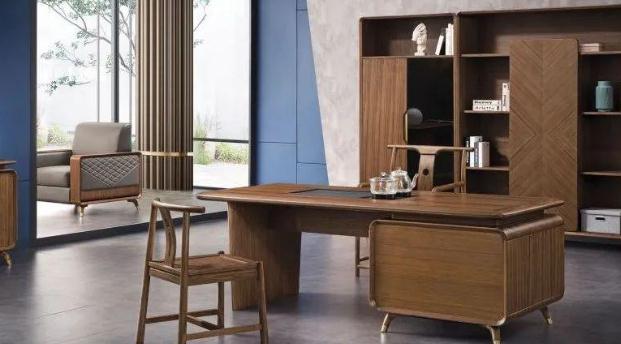
What Is a Wood Veneer Panel?
A wood veneer panel is created by hot-pressing a thin layer of real wood veneer onto a substrate such as plywood, particle board, or MDF. The veneer is a very thin slice of hardwood, showcasing natural wood grain while reducing material costs.
In simpler terms, you get the appearance and feel of solid wood without the full cost, making wood veneer panels an attractive option for customers who want natural aesthetics on a reasonable budget.
Advantages of Wood Veneer Panels
✅ Natural Aesthetic and Texture
Wood veneer panels preserve the authentic look and feel of wood, including the unique and irregular wood grain patterns that bring warmth and nature into your space.
✅ Lightweight
Wood veneer panels are lighter than solid wood, making them easier to transport, install, and handle during furniture manufacturing or renovation projects.
✅ Durability Against Cracking
Unlike solid wood, wood veneer panels are less likely to crack or warp due to seasonal changes, maintaining stability while offering a wood finish.
✅ Cost-Effective Compared to Solid Wood
You enjoy high-end wood visuals without paying the premium price for solid hardwood, making veneer panels a practical option for budget-conscious homeowners who love the wood aesthetic.
Disadvantages of Wood Veneer Panels
❌ Requires a Substrate
Because the veneer layer is thin, it must be pasted onto a substrate like MDF or particleboard. Some customers may perceive this as less premium than solid wood, even though it offers many practical benefits.
❌ Surface Can Be Easily Damaged
The thin veneer layer is susceptible to scratches and dents from sharp objects. Repair is possible but requires skilled hands due to the veneer’s thinness.
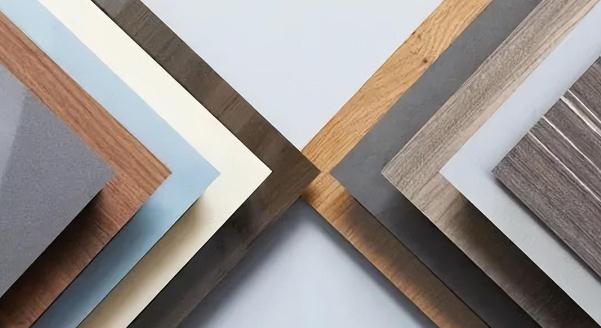
What Is Melamine Board?
Melamine board is created by impregnating decorative paper with melamine resin and laminating it onto substrates like particleboard or MDF under high heat and pressure.
This process creates a hard, decorative surface that can mimic different colors, patterns, or wood grain while providing a durable and easy-to-clean finish, making melamine a popular choice in budget furniture, cabinetry, and office furniture.
Advantages of Melamine Board
✅ Smooth, Flat Surface
Melamine boards have even surfaces and are resistant to warping because both sides expand equally, providing stability over time.
✅ Imitates Various Patterns
Melamine boards can imitate wood grains, solid colors, or stone patterns at a lower cost, making them versatile for various furniture styles.
✅ Hard, Scratch-Resistant Surface
Melamine has high hardness, wear resistance, and reasonable heat resistance, making it durable for everyday use.
✅ Easy to Clean and Maintain
The smooth, non-porous surface is easy to wipe clean, requiring minimal maintenance.
✅ Affordable
Melamine boards are generally cheaper than wood veneer panels, making them attractive for budget-friendly projects.
Disadvantages of Melamine Board
❌ Edge Fragility
Melamine boards can chip or break easily along the edges if mishandled during transportation or installation.
❌ Less Environmentally Friendly
The adhesives and resins used in melamine boards can release formaldehyde, making them less eco-friendly unless you choose low-emission or E0/E1 grade products.
❌ Lack of True Wood Feel
While melamine can mimic wood patterns, the printed patterns may look dull or less realistic than real wood veneer, and the tactile experience does not replicate the natural feel of wood.
Comparison Table: Wood Veneer Panel vs. Melamine Board
| Feature | Wood Veneer Panel | Melamine Board |
| Appearance | Natural wood grain, premium look | Mimics wood and colors, looks less natural |
| Touch | Feels like real wood | Smooth but artificial feel |
| Weight | Lightweight | Lightweight |
| Durability | Resistant to cracking/warping | Hard surface, scratch-resistant |
| Maintenance | Needs gentle care to avoid scratches | Easy to clean and maintain |
| Cost | More affordable than solid wood, higher than melamine | Generally cheaper |
| Eco-Friendliness | More eco-friendly if sourced responsibly | Less eco-friendly due to resins |
| Edge Durability | Stable if well-finished | Edges prone to chipping |
| Usage Areas | Premium furniture, décor, wall panels | Budget furniture, cabinetry, offices |
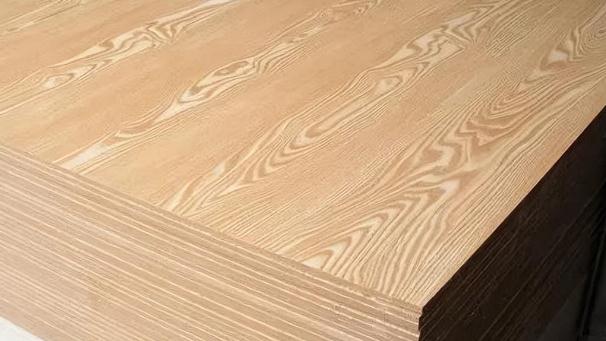
Which Is Better for You: Wood Veneer or Melamine Board?
It depends on your priorities:
If you want natural aesthetics, warmth, eco-friendliness, and a premium look, wood veneer panels are your best choice.
If you prioritize affordability, easy cleaning, and scratch resistance, especially in high-use environments like offices or budget homes, melamine board will be more suitable.
Practical Use Case Examples
✅ Living Room & Bedroom Furniture:
Choose wood veneer panels for wardrobes, TV cabinets, and bedside tables where you want a warm, premium atmosphere.
✅ Kitchen Cabinets:
Use melamine boardsfor ease of cleaning and moisture resistance in high-traffic areas.
✅ Office Furniture:
Melamine boards are often used in desks, cabinets, and workstations for their durability and cost-effectiveness.
✅ Feature Wall Panels:
Wood veneer panels can create a stunning visual impact on accent walls while maintaining a natural touch.
Environmental Considerations
Wood veneer panels typically use fewer hardwood resources while providing a natural finish, making them more sustainable if sourced from FSC-certified wood.
Melamine boards may contain formaldehyde-based adhesives; choose low-emission options (E0/E1) for better indoor air quality.
Final Thoughts
Wood veneer panels and melamine boards each serve their purpose in modern furniture design and construction.
If you value authentic wood aesthetics and environmental friendliness, wood veneer panels are ideal.
If you need a durable, cost-effective, and easy-to-maintain option, melamine boards are practical.
Remember, no material is universally “better”; the best choice depends on your design vision, budget, and lifestyle requirements.

 English
 العربية
 Français
 Русский
 Español
 Português
 Deutsch
 italiano
 日本語
日本語 한국어
한국어 Nederlands
 Tiếng Việt
 ไทย
ไทย Polski
 Türkçe
 አማርኛ
አማርኛ Bahasa Melayu
 தமிழ்
தமிழ் Filipino
 Bahasa Indonesia
 magyar
 Română
 Монгол
 қазақ
қазақ Српски
 हिन्दी
 فارسی
فارسی Kiswahili
 Slovenčina
 Slovenščina
 Svenska
 українська
 Ελληνικά
 Suomi
Suomi Հայերեն
 עברית
עברית اردو
اردو Shqip
Shqip বাংলা
বাংলা Hrvatski
 Afrikaans
 Māori
Māori සිංහල
සිංහල Oʻzbekcha
 latviešu
 Беларуская мова
 Bosanski
 Български
 ქართული
 Lietuvių
 Malti
Malti


