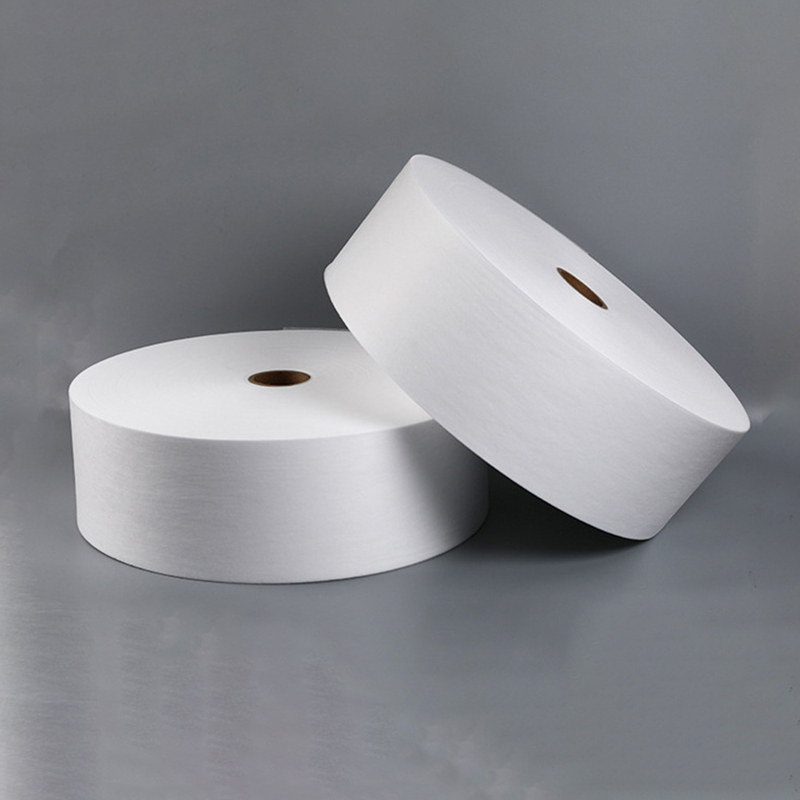
In the diverse world of nonwoven fabrics, hot-air nonwoven fabric stands out for its unique combination of softness, functionality, and cost-effectiveness. Widely used in daily necessities, industrial filters, and sound insulation materials, this material has become a staple in modern manufacturing. Below, we break down its definition, production process, core advantages, and main applications to help you gain a comprehensive understanding.
What is Hot-Air Nonwoven Fabric?
Hot-air nonwoven fabric is an engineered nonwoven material produced through a thermal bonding process. It is primarily made from synthetic fibers such as polyester, nylon, and polypropylene, with a key addition: 15% to 50% low-melting-point bonding fibers (typically ES fibers, or ethylene-vinyl acetate copolymer fibers). These low-melting fibers act as the "adhesive"—when heated, they melt and bond the surrounding fibers together, forming a stable yet flexible fabric structure.
Unlike traditional woven fabrics, hot-air nonwovens do not rely on yarn weaving. Instead, their structure is formed by fiber bonding, which gives them distinct characteristics: exceptional fluffiness, softness, breathability, and warmth retention. While its strength is relatively lower compared to some high-tensile nonwovens, its functional advantages make it irreplaceable in specific scenarios.
")
The Production Process: Precision in Every Step
The manufacturing of hot-air nonwoven fabric involves three core steps, each critical to ensuring the final product’s quality:
Fiber Carding: Raw fibers (including main fibers and low-melting bonding fibers) are first opened, mixed uniformly, and then carded by a carding machine. This process combs the tangled fibers into a continuous, even web with a consistent thickness—laying the foundation for uniform bonding later.
Hot Air Drying & Penetration: The fiber web is fed into a hot air oven, where high-temperature air (typically 120–180°C) penetrates the entire web. The hot air ensures that heat is evenly distributed, avoiding localized overheating or incomplete melting.
Thermal Bonding & Cooling: Under the action of hot air, the low-melting-point fibers in the web melt, forming "point bonds" at the intersections of the main fibers. After passing through a cooling zone, the melted fibers solidify, locking the fiber structure in place to create a stable, usable nonwoven fabric.
Six Core Advantages of Hot-Air Nonwoven Fabric
The popularity of hot-air nonwoven fabric stems from its unique set of advantages, which make it superior to many traditional materials in specific applications. Here are its six key strengths:
1. Exceptional Fluffiness & Softness for Comfort
The main raw material, polypropylene resin, has a density of only 0.9g/cm³—about three-fifths that of cotton (1.54g/cm³). This low density, combined with the loose fiber structure formed by point bonding, gives the fabric excellent fluffiness. It feels soft and skin-friendly to the touch, making it ideal for products that come into direct contact with the human body, such as baby diapers and disposable bed sheets.
2. Insect & Contaminant Resistance for Durability
Polypropylene is a chemically inert material, meaning it does not release substances that attract insects or microorganisms. Unlike natural fibers like cotton or wool, hot-air nonwoven fabric is not prone to moth infestation. Additionally, its surface structure can effectively isolate liquid contaminants, preventing the fabric from becoming a breeding ground for bacteria or insects.
3. Natural Antibacterial & Mildew-Resistant Properties
Thanks to the water-repellent nature of polypropylene and the non-absorbent structure of the fabric, hot-air nonwoven fabric does not retain moisture. Moisture is the primary cause of mold growth and bacterial reproduction, so the fabric’s ability to stay dry inherently gives it antibacterial and mildew-resistant properties. This makes it suitable for humid environments, such as hospital bed sheets or outdoor cushions.
4. Excellent Water Repellency & Dry Surface
Polypropylene chips themselves have zero moisture absorption, and the porous structure of the finished fabric (formed by point bonding) allows water vapor to pass through while blocking liquid water. This "breathable yet water-repellent" feature ensures the fabric surface remains dry even when in contact with liquids—an essential advantage for products like sanitary napkins or sports towels.
5. Balanced Non-Directional Strength
Unlike woven fabrics, which have higher strength in the longitudinal (warp) direction and lower strength in the transverse (weft) direction, hot-air nonwoven fabric’s fiber web is randomly arranged. This results in similar strength in both longitudinal and transverse directions, making the fabric less likely to tear unevenly. While its overall strength is not as high as that of needle-punched nonwovens, its balanced strength meets the needs of most daily and light industrial applications.
6. Green, Harmless & Skin-Friendly
Hot-air nonwoven fabric is made of pure synthetic fibers without adding chemical binders, fluorescent agents, or other harmful components. Its performance is stable, and it does not cause skin irritation even after long-term contact—making it safe for sensitive groups such as babies and patients. Additionally, polypropylene is recyclable, aligning with the global trend of environmental protection.
Main Applications: From Daily Life to Industrial Scenarios
The versatile advantages of hot-air nonwoven fabric have enabled it to penetrate multiple industries, with applications covering:
Daily Necessities: The largest application area, including baby diapers (as the top sheet for softness), sanitary napkins, disposable bed sheets, quilts, winter clothing linings, and facial masks. Its softness and skin-friendliness make it a preferred material for personal care products.
Filter Materials: The porous structure of hot-air nonwoven fabric allows air to pass through while capturing dust particles, making it suitable for manufacturing air filters (such as HVAC filters) and water filters.
Sound Insulation & Vibration Damping Materials: High-density hot-air nonwoven products have excellent sound absorption and shock absorption properties, used in automotive interiors (such as door panels), building sound insulation layers, and industrial equipment damping pads.
Medical & Sanitary Fields: Disposable surgical gowns, medical caps, and wound dressings—leveraging the fabric’s antibacterial, moisture-proof, and skin-friendly properties to ensure hygiene and safety.
Future Outlook
With the continuous development of the nonwoven industry and the increasing demand for functional materials in daily life and industry, hot-air nonwoven fabric will see broader applications. As manufacturing technology advances, its strength and durability are also being improved, further expanding its potential in high-demand scenarios.
For users with purchasing needs, it is recommended to focus on the fiber composition (especially the proportion of low-melting fibers) and performance indicators (such as breathability and tensile strength) of the product to select the most suitable hot-air nonwoven fabric for specific applications.