When selecting the ideal flooring for a residential or commercial space, one of the key decisions to make is the choice between LVT dry back floor and LVT loose lay floor. Both options offer distinct advantages and drawbacks, making it crucial to evaluate them based on your unique requirements, budget, and the environment in which they will be used.
In this comprehensive comparison, we will dive into the features, benefits, and considerations of both flooring types, helping you make an informed decision on which is better suited for your needs.
Understanding LVT Flooring
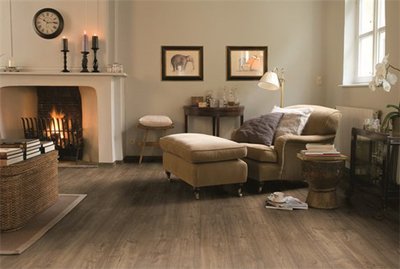
Before we dive into the specifics of dry back and loose lay LVT floors, it’s important to understand what LVT (Luxury Vinyl Tile) flooring is. LVT is a high-performance, durable flooring solution designed to mimic natural materials like wood, stone, and ceramic. Made from several layers of vinyl, LVT flooring is versatile, water-resistant, and easy to maintain, making it a popular choice in residential, commercial, and industrial settings.
LVT Dry Back Floor: Overview
LVT dry back flooring, often referred to as glue-down or bonded LVT, involves gluing each individual tile to the subfloor. This traditional installation method offers a high level of stability and is perfect for areas with high foot traffic or spaces that require long-lasting durability.
Advantages of LVT Dry Back Flooring
1. Easy to Install for DIY Enthusiasts
One of the major benefits of LVT dry back floors is their ease of installation, particularly when done by professionals or DIYers. The glue-down method ensures a secure, long-lasting bond with the subfloor, reducing the risk of movement or shifting. Many LVT dry back products come with pre-applied adhesive, making installation a relatively straightforward task, even for those with limited experience.
2. Superior Durability and Performance
LVT dry back floors are known for their outstanding durability. The adhesive layer and bonding process make them well-suited for areas with heavy foot traffic. Their strong, wear-resistant surface ensures that the floor remains intact even in high-usage spaces, like kitchens, bathrooms, and offices.
3. Variety of Designs and Aesthetics
Another advantage of dry back LVT floors is the wide range of design options available. These floors come in numerous colors, textures, and patterns, offering a realistic look that mimics natural materials like wood, stone, and ceramic tiles. The variety of designs makes them suitable for almost any interior style, from contemporary to traditional.
4. Cost-Effective Option
In terms of both material and installation costs, LVT dry back flooring is often more affordable compared to other high-end flooring options like hardwood, ceramic tiles, or stone. For those on a budget, it offers an excellent balance of quality, durability, and design versatility.
Disadvantages of LVT Dry Back Floor
1. Comfort and Feel
While LVT dry back flooring is robust, it can feel hard underfoot. Unlike other flooring types such as carpets or cork, the firm nature of the glue-down installation can result in a less comfortable walking experience, especially for extended periods.
2. Lack of Sound Insulation
Although LVT dry back floors are highly durable, they do not offer significant sound absorption. Without proper underlayment or sound insulation pads, these floors can amplify noise, making them less ideal for spaces where noise reduction is crucial, such as apartments or offices.
LVT Loose Lay Floor: Overview
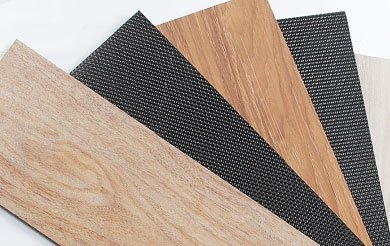
LVT loose lay flooring uses a click-lock installation system, which allows the tiles or planks to simply be placed on the subfloor without adhesive. The friction between the floor and the subfloor ensures that the planks stay in place, providing a secure fit without the need for glue or nails.
Advantages of LVT Loose Lay Floor
1. Superior Comfort and Softness
One of the standout features of LVT loose lay flooring is its comfort underfoot. The floating installation system and the cushioned nature of the tiles provide a softer and more elastic surface, making it ideal for spaces where comfort is a priority. This makes it particularly well-suited for areas like bedrooms, living rooms, and kitchens where people are likely to stand for longer periods.
2. Enhanced Sound Insulation
Unlike dry back LVT, loose lay LVT floors are known for their better sound insulation properties. The floating installation method absorbs sound, significantly reducing noise levels. This makes it an excellent option for multi-level buildings or apartment complexes where noise reduction is important.
3. Safety Features: Anti-Slip Performance
LVT loose lay floors generally come with a slip-resistant surface, making them a safer option for homes with children, the elderly, or pets. The inherent anti-slip properties reduce the risk of accidents, particularly in wet areas like kitchens or bathrooms.
4. Quick and Easy Installation
While professional installation is often required, the click-lock installation system makes it a relatively simple and fast process. The tiles or planks fit together easily, eliminating the need for adhesives or nails. For those looking for a fast installation without compromising on quality, loose lay LVT offers a convenient solution.
5. Flexibility and Reusability
An added benefit of loose lay flooring is its flexibility. Since the tiles or planks are not glued down, they can be easily removed and replaced. This makes loose lay LVT an excellent option for temporary installations or situations where you may need to reconfigure the space.
Disadvantages of LVT Loose Lay Floor
1. Installation Complexity
Although loose lay LVT is relatively easy to install, it still requires a certain level of precision, especially in large spaces or complex layouts. Professional installation is recommended to ensure the tiles stay in place, preventing any future movement or damage.
2. Maintenance and Deformation Risks
While LVT loose lay flooring is durable, it has higher maintenance requirements than its dry back counterpart. Over time, the lack of adhesive may cause tiles to shift or become uneven. To maintain the floor’s integrity, regular maintenance is necessary, including checking for any gaps or areas where tiles may have come loose.
3. Higher Material and Installation Costs
Compared to dry back LVT floors, loose lay LVT typically comes with a higher price tag. The cost of the material and professional installation may be more expensive, making it less suitable for those on a tight budget.
Conclusion
The decision between LVT dry back floor and LVT loose lay floor depends largely on your priorities.
If you are looking for a cost-effective, durable, and easy-to-install flooring option, the LVT dry back floor may be the better choice. It offers a wide range of design options and can withstand high foot traffic without sacrificing performance.
On the other hand, if comfort, sound insulation, and safety are more important to you, then LVT loose lay flooring is worth considering. It’s a great option for spaces where people spend long hours standing, and it also offers better noise reduction and anti-slip properties.
Ultimately, both flooring options offer their unique advantages, and the right choice will depend on your specific needs, the nature of the space, and your budget.

 English
 العربية
 Français
 Русский
 Español
 Português
 Deutsch
 italiano
 日本語
日本語 한국어
한국어 Nederlands
 Tiếng Việt
 ไทย
ไทย Polski
 Türkçe
 አማርኛ
አማርኛ Bahasa Melayu
 தமிழ்
தமிழ் Filipino
 Bahasa Indonesia
 magyar
 Română
 Монгол
 қазақ
қазақ Српски
 हिन्दी
 فارسی
فارسی Kiswahili
 Slovenčina
 Slovenščina
 Svenska
 українська
 Ελληνικά
 Suomi
Suomi Հայերեն
 עברית
עברית اردو
اردو Shqip
Shqip বাংলা
বাংলা Hrvatski
 Afrikaans
 Māori
Māori සිංහල
සිංහල Oʻzbekcha
 latviešu
 Беларуская мова
 Bosanski
 Български
 ქართული
 Lietuvių
 Malti
Malti


